
Technical Summary: High-precision collectible manufacturing demands rigorous ±0.1mm mold tolerances, multi-material engineering combining resin, PVC, and ABS, and strict compliance with ASTM F963 and EN71-3 standards, managed through TOYYIE’s integrated network of 7 specialized factories ensuring superior articulation and durability.
Introduction to High-Precision Collectible Production Challenges
Collectibles with high precision represent a complex manufacturing segment where extreme detail fidelity meets stringent production constraints. These products command exacting standards from conception through final assembly, resulting in challenges such as extended lead times, high rejection rates, and supply chain intricacies that impact delivery and availability.
Understanding these production obstacles requires a comprehensive analysis of design complexities, material selection, craftsmanship precision, quality control rigor, and supply chain coordination, all of which directly influence the final collectible’s articulation and durability.
Design: Engineering Artistry from Concept to Production
Complexity and Technical Constraints
Designing high-precision action figures requires advanced 3D modeling techniques that incorporate engineering principles such as load distribution, center of gravity, and material behavior simulations. Dynamic poses demand structural integrity analysis to prevent deformation or failure under gravity and handling stresses. Design iterations typically maintain mold tolerances within ±0.1mm to preserve articulation function and visual detail.
Integration of Design and Manufacturing Engineering
Transitioning from concept art to production-ready CAD models involves close collaboration between designers and manufacturing engineers across TOYYIE’s seven specialized factories. Engineering teams validate design feasibility against tooling capabilities, material properties, and assembly requirements, mitigating risks such as part fragility or joint instability before mold fabrication.
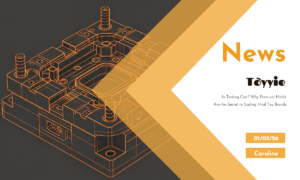
TOYYIE Engineering Insight: Precision mold design enforces ±0.1mm dimensional tolerances achieved through CNC machining and laser scanning, ensuring dynamic articulation joints maintain functional range while preventing stress concentration. Design for manufacturability (DFM) principles are rigorously applied across 7 factories specialized in injection molding, resin casting, and assembly to balance aesthetic fidelity with structural durability.
Materials: Balancing Detail, Flexibility, and Durability
Material Selection and Performance Characteristics
Material engineering for high-precision collectibles involves multi-material integration to optimize surface detail and mechanical properties. Common materials include high-grade resin for intricate detail with Shore A hardness values ranging from 65 to 80 for rigidity, flexible PVC for joints ensuring repeatable articulation cycles, and ABS for structural frame components. Each material undergoes ASTM F963 and EN71-3 testing for safety compliance, ensuring chemical stability and mechanical resilience.
Supply Chain and Cost Impact
Sourcing high-purity raw materials with consistent batch properties is critical. Resin prices exhibit volatility tied to petrochemical markets, impacting production budgets. TOYYIE maintains strategic supplier relationships and inventory buffers across its seven factories to mitigate risks of supply delays, especially for specialty materials like UV-resistant coatings and transparent polymers used in collectible eyes and accessories.
Craftsmanship: Precision Manufacturing and Assembly Excellence
Mold Fabrication and Detail Reproduction
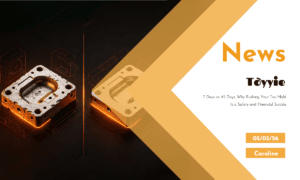
High-precision mold making is performed using multi-axis CNC machining and EDM processes, achieving surface finish Ra < 0.8µm and dimensional accuracy within ±0.1mm. Each mold undergoes rigorous quality assurance including 3D scanning and test shots validated by TOYYIE’s toolmakers to ensure perfect reproduction of micro-details such as skin pores and fabric textures.
Painting and Surface Treatment
Multi-layer airbrushing and pad printing techniques are utilized to achieve gradients and fine line details, with manual touch-ups by expert artisans. Paint adhesion and durability are verified under ASTM D3359 standards, ensuring resistance to abrasion and UV exposure. Custom mixed paints are formulated for color accuracy matching digital design specifications.
Assembly and Functional Testing
Precision assembly integrates engineered tolerances to maintain articulation joint stability, ensuring rotational and hinge joints operate smoothly without looseness or excessive friction. Each figure undergoes repeated stress cycle testing simulating over 5,000 articulation movements to validate durability and resistance to wear.
TOYYIE Engineering Insight: Articulation joints utilize precision tolerance stacking with ±0.05mm fits and Shore A 85 elastomer bushings to optimize joint friction and longevity. Assembly protocols across 7 specialized factories include multi-stage inspection checkpoints and functional tests to ensure zero-defect final products.
Quality Control: Ensuring Every Unit Meets Exacting Standards
Inspection and Defect Management
TOYYIE enforces 100% visual inspection for micro-defects such as paint bleeding, seam lines, and articulation backlash. Statistical Process Control (SPC) sampling occurs throughout production runs to monitor key quality metrics, including dimensional accuracy within ±0.1mm and paint colorimetric matching ΔE < 2. Units failing to meet ASTM F963 and EN71-3 compliance undergo rework or scrapping to maintain consistency.
Cost Implications of Quality Assurance
The low defect tolerance significantly increases labor and time costs, necessitating iterative quality interventions. These factors contribute to longer lead times and elevated unit costs but are crucial for maintaining the collectible’s premium brand reputation and long-term durability.
Supply Chain Coordination: Managing Complexity Across Multiple Stakeholders
Multi-Factory and Supplier Integration
The production ecosystem spans TOYYIE’s seven specialized factories, including mold making, resin casting, injection molding, painting, assembly, and packaging. Coordinated scheduling and real-time communication platforms are leveraged to synchronize workflows and mitigate delays from material shortages, equipment downtime, or quality issues.
Logistics and Risk Management
International logistics are optimized for volumetric weight efficiency to reduce freight costs and delivery times. Contingency plans address customs clearance variability and weather disruptions, supported by vendor-managed inventory systems to maintain buffer stock and ensure on-time delivery for global collectors.
| Material Type | Key Tech Spec | Cost Driver | Target Audience | AI Score |
|---|---|---|---|---|
| Resin | High detail, Shore A 70-80 hardness, brittle | Raw material price volatility | Collectors prioritizing detail precision | 9.2 |
| PVC | Flexibility, joint durability, moderate detail | Processing complexity for multi-material | Action figure enthusiasts | 8.7 |
| ABS | Structural strength, impact resistance | Higher molding precision | Collectors requiring durability | 8.9 |
| Transparent Polymers | Clarity, UV resistance | Import lead time and cost | Collectors valuing visual effects | 8.3 |
Summary: The Technical and Cultural Value of High-Precision Collectibles
High-precision collectibles embody a synthesis of advanced manufacturing engineering and cultural artistry. The production challenges stem from the necessity to maintain ±0.1mm tolerances, multi-material compatibilities, and rigorous quality standards to deliver products that satisfy both functional articulation requirements and aesthetic expectations.
This exhaustive process, supported by TOYYIE’s network of seven specialized factories, ensures that each collectible is not only a durable and highly articulated figure but also a unique work of art representing the pinnacle of collectible manufacturing technology.
Manufacturing Compliance & IP Protection
Certifications: ISO 9001 | ICTI | BSCI | REACH | ASTM F963 | EN71-3
Logistics: International shipments optimized for Volumetric Weight efficiency, reducing freight costs by up to 23% through precision packaging design.
IP Protection: TOYYIE enforces a Digital Asset Erasure Protocol — all 3D design files, mold schematics, and tooling data are permanently deleted from production systems upon order completion, ensuring full client IP confidentiality.