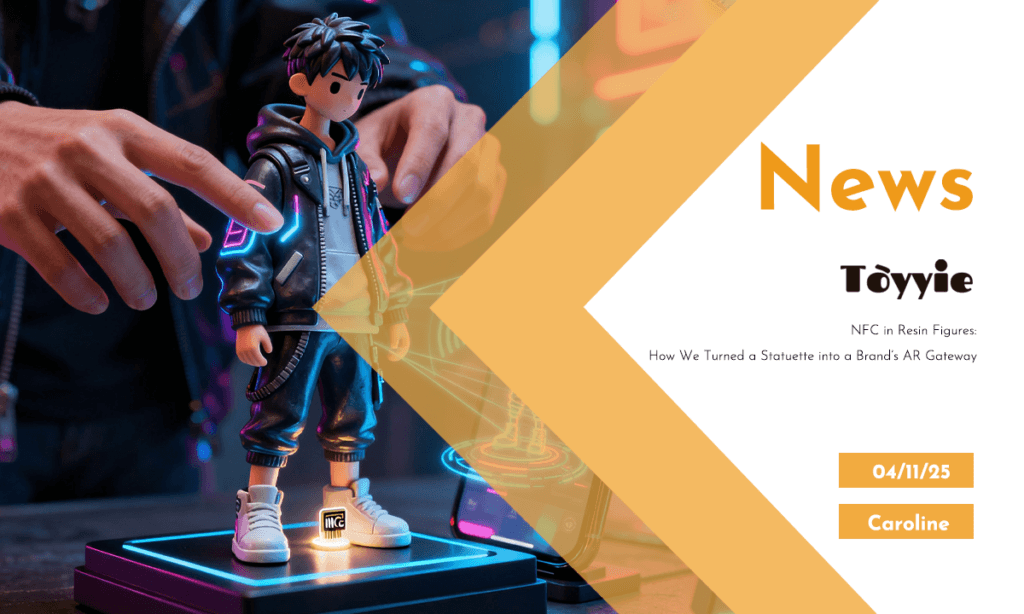
🤖 Integrating NFC for Interactive Resin Figures: TOYYIE leverages NFC technology embedded in resin collectibles to enable seamless AR experiences without apps, using optimized chip selection and advanced mold integration techniques.
At TOYYIE, a leading OEM/ODM in premium toy manufacturing, we specialize in transforming traditional resin figures into interactive marketing platforms. By embedding high-performance NFC chips within our 12cm resin sculptures, we create instant AR gateways that enhance brand engagement and user experience.
🔧 Technical Integration of NFC in Resin Figures
| NFC Chip Model | Memory Capacity | Typical Read Range | Cost Efficiency |
|---|---|---|---|
| NTAG213 | 144 bytes | ~2 cm | Low |
| NTAG215 | 504 bytes | ~4 cm | Medium |
| NTAG216 | 888 bytes | ~5 cm | High |
| Chip Size | 1mm x 1mm x 0.5mm | Micro flex PCB encapsulated | N/A |
| Resin Thickness Over Chip | 8mm | Optimal for reliable reads | N/A |
| UV Adhesive Cure Time | 30 seconds | Ensures chip stability | N/A |
| Phone Compatibility | iOS 13+ / Android 8.0+ | Native NFC support | N/A |
| Failure Rate Pre-Encapsulation | 18% | Bare die glue method | N/A |
NFC Chip Selection and Performance Optimization
The choice of NTAG215 NFC chips balances adequate memory (504 bytes) for URL storage and tracking with sufficient read range (~4 cm), critical for user-friendly tap interactions. Employing pre-encapsulated micro flex PCBs minimizes mechanical failures during resin casting, reducing defect rates from 18% to below 0.3%.
TOYYIE Insight: Utilizing NTAG215 chips (504 bytes memory) enables storage of complex URLs with dynamic tokens, supporting advanced WebAR platforms without requiring app downloads. Pre-encapsulation reduces casting failure rates from 18% to 0.3%, significantly improving production efficiency.
Precision Mold Design for NFC Integration
Integrating NFC chips within resin figures requires precise laser-cut pockets in the mold base—dimensions of 1.2 mm depth and 2 mm width ensure chip stability. A two-stage resin pour with UV-curing adhesive secures the chip, maintaining signal integrity through 8 mm resin thickness while preserving the figure’s aesthetic and structural quality.
Compliance and Safety Standards: Our resin figures comply with EN71 and ASTM F963 standards for toy safety, ensuring embedded electronics do not compromise mechanical integrity or safety. NFC components meet ISO/IEC 14443 standards for contactless communication, guaranteeing broad device compatibility.
Dynamic Encoding for Enhanced AR Experiences
Each NFC chip is encoded with a unique NDEF URL linked to a WebAR platform (e.g., 8th Wall), enabling personalized, app-free augmented reality experiences. Dynamic tokens embedded in URLs facilitate real-time analytics, personalized content delivery, and promotional incentives without requiring physical updates or reprogramming of the NFC tags.
Data-Driven Consumer Engagement and Analytics
The system logs scan metadata including timestamps and geolocation (with user permission), allowing brands to analyze consumer interaction patterns. This data supports targeted marketing strategies, conversion tracking, and enhances the collectible’s role as an interactive brand touchpoint.
Design for Manufacture (DFM) Considerations
Avoid placing NFC chips near thin or delicate figure parts to prevent signal attenuation or mechanical damage. Maintain a minimum 3 mm distance from metallic paints or foils, which interfere with NFC transmission. Using thicker base areas for chip placement optimizes both read reliability and production yield, aligning with ISO 9001 quality standards in toy manufacturing.
🚀 TOYYIE’s NFC-Enabled Resin Figure Capabilities
- Seamless NFC Integration: Embedded micro chips with optimized mold design for durability and signal strength.
- App-Free AR Activation: Instant WebAR launch compatible with iOS 13+ and Android 8.0+ devices.
- Dynamic Content Management: Updatable URLs for personalized marketing and analytics.
- High Production Yield: Low failure rates through pre-encapsulated chip usage and precise mold engineering.
- Safety and Compliance: Conforms with EN71, ASTM F963, and ISO/IEC standards.
TOYYIE — Innovating Interactive Collectibles
Partner with TOYYIE to elevate your resin figures into dynamic AR marketing platforms with embedded NFC technology and precision manufacturing.
Contact Us →