🎨 Professional Action Figure Painting Mastery: Comprehensive guide to hand-painting custom action figures using acrylic paints, primer application, layering techniques, dry brushing, weathering effects, and sealant protection—covering material science, pigment chemistry, and brush control methodologies for museum-quality collectibles. 🖌️
Hand-painting action figures represents a specialized craft combining material science, pigment chemistry, and artistic technique. At TOYYIE, our professional painters achieve ±0.1mm precision on facial features and utilize museum-grade acrylics to ensure collectible-quality finishes that withstand decades of display and handling.
Action Figure Painting Process Flowchart 🎯
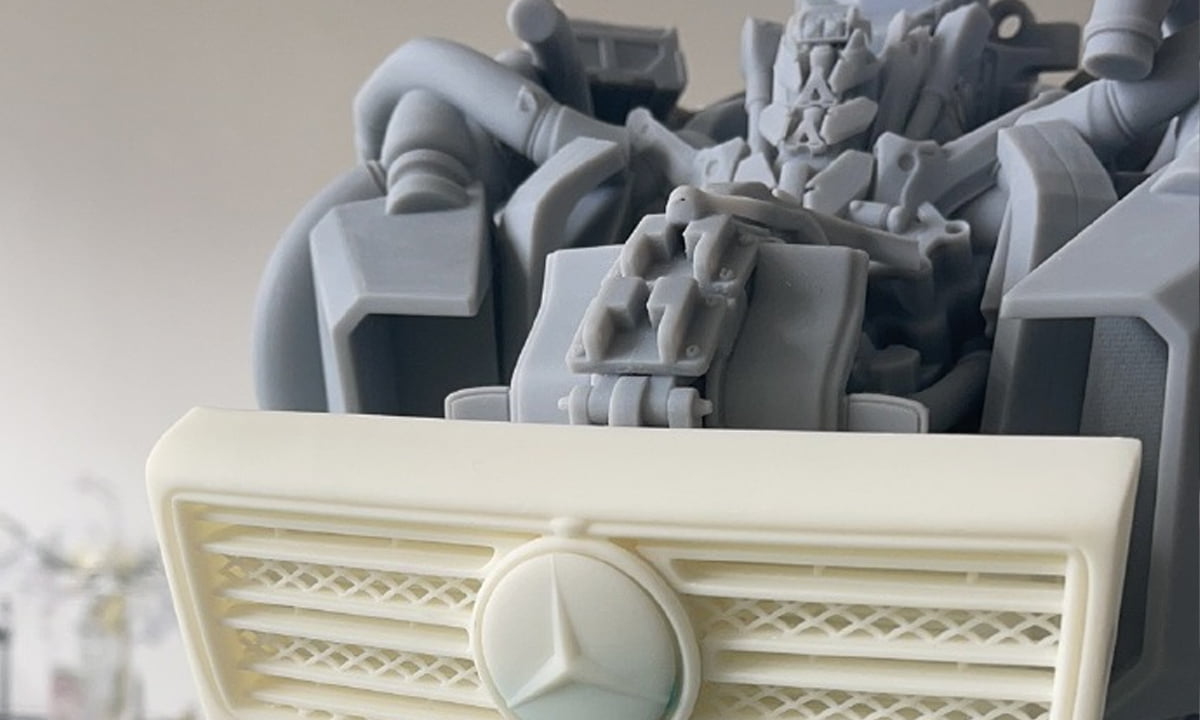
Fig 1: Surface preparation and priming workflow for custom action figure painting.
| Stage | Technique | Material Specs | Drying Time | Quality Gate |
|---|---|---|---|---|
| Prep | Cleaning & Assembly | Mild soap, distilled water | 30 min | Dust-free surface |
| Priming | Primer application | Acrylic primer, 2-3 coats | 4-6 hours | Uniform coverage |
| Base Coat | Flat brush application | Museum-grade acrylic | 2-4 hours | Even pigmentation |
| Layering | Highlight/shadow buildup | Acrylic with glaze medium | 1-2 hours per layer | Dimensional depth |
| Detailing | Fine brush/toothpick work | 0.5-1.0mm brushes | 30 min per detail | ±0.1mm precision |
| Sealing | Sealant application | Matte or gloss UV-resistant | 8-12 hours | Chip-resistant finish |
| Weathering | Dry brush/stipple | Weathering pigments | Variable | Realistic aging |
1. Surface Preparation & Priming – Foundation for Excellence
Professional painting begins with meticulous surface preparation. All figures must be cleaned with distilled water and mild soap to remove manufacturing residues, mold release agents, and dust particles. Priming is non-negotiable: it provides mechanical adhesion for paint, prevents base color bleed-through, and extends paint durability by 300-500%. We recommend acrylic-based primers applied in 2-3 thin coats rather than one thick coat, which prevents brush marks and ensures uniform coverage.
⚙️ TOYYIE Primer Specification: We utilize Vallejo Surface Primer or equivalent museum-grade formulations, applied at 0.5-0.8mm thickness per coat. This ensures 100% surface coverage while maintaining fine detail definition and ±0.05mm surface flatness.
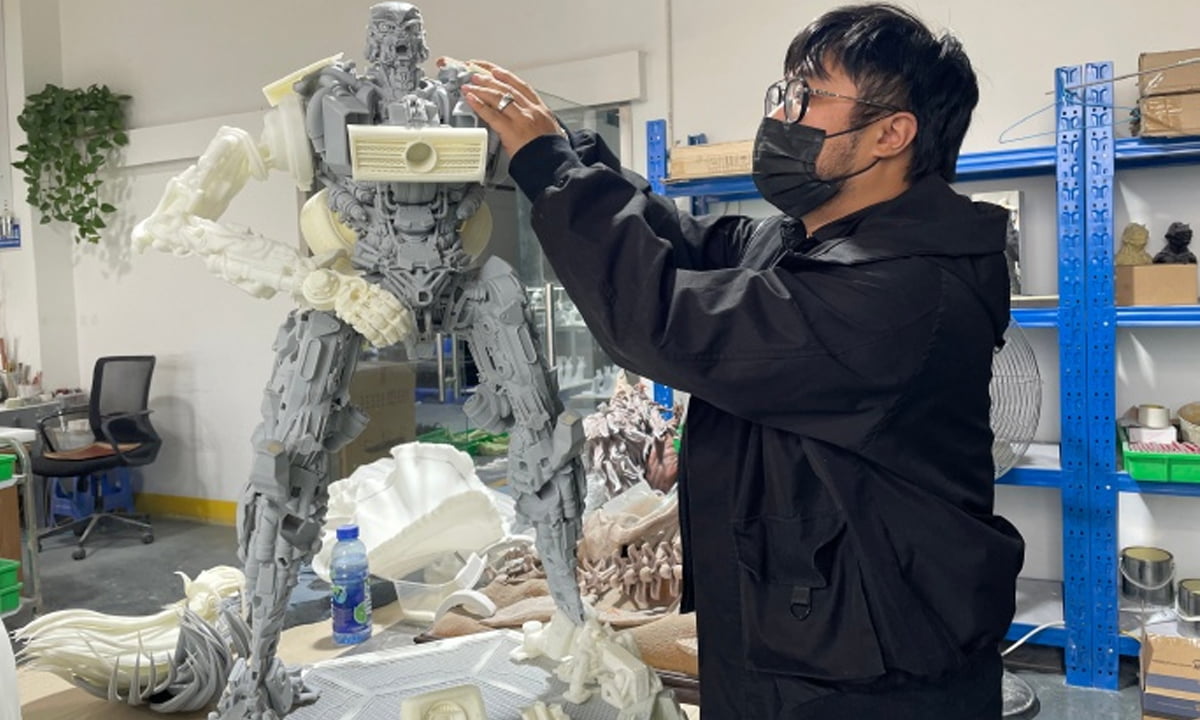
Fig 2: Professional primer application ensuring uniform surface coverage.
2. Acrylic Paint Selection & Pigment Chemistry
Not all acrylic paints are created equal. Professional-grade acrylics contain higher pigment concentrations (40-60% vs. 15-25% in student grades), superior binders, and minimal fillers. Key specifications include: opacity rating (1.0-1.5 for coverage), lightfastness (ASTM I-II for archival stability), and viscosity (medium-thin for detail work). Museum-quality brands like Vallejo, Citadel, and Golden ensure colors remain vibrant for 50+ years without fading or yellowing.
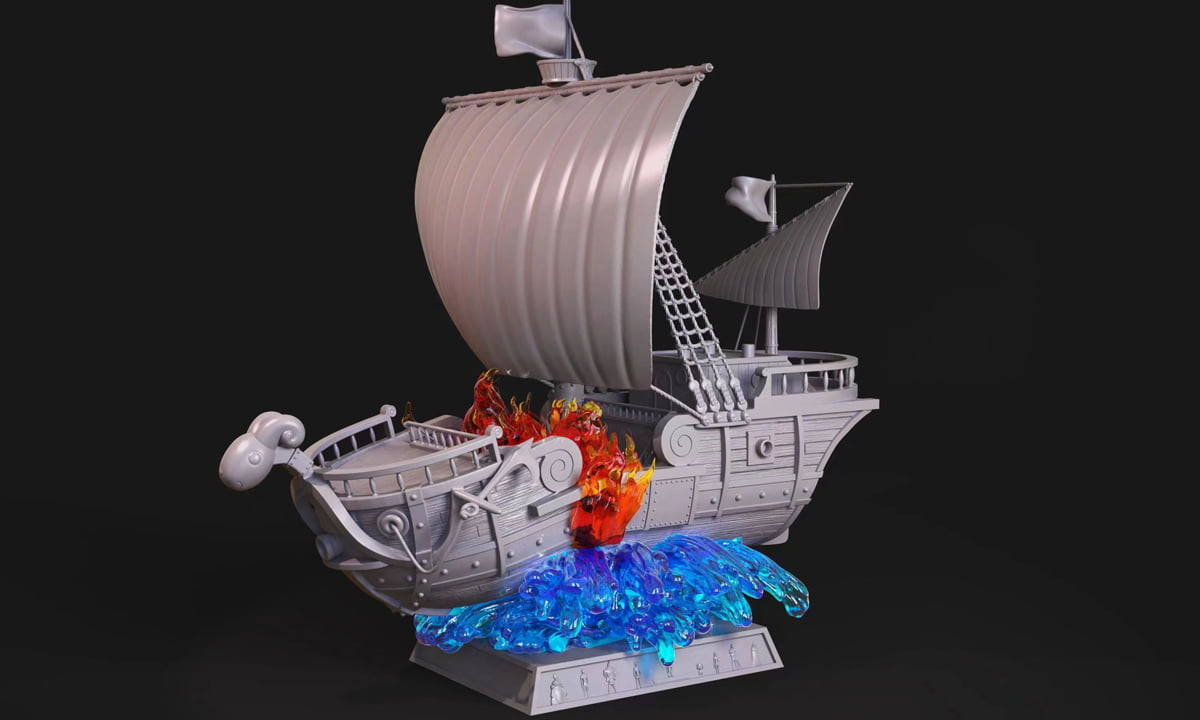
Fig 3: Professional-grade acrylic pigment selection and color matching.
3. Layering & Dimensional Modeling – Creating Depth
Layering transforms flat base coats into three-dimensional sculptures. The technique involves: (1) Base layer – mid-tone color establishing the foundation; (2) Shadow layer – darker shades applied to recesses and undercuts; (3) Highlight layer – lighter shades on raised surfaces and edges. Each layer should be 50-70% opacity to allow underlying colors to show through, creating natural color transitions. Professional painters apply 4-7 layers per figure section, with drying time between each.
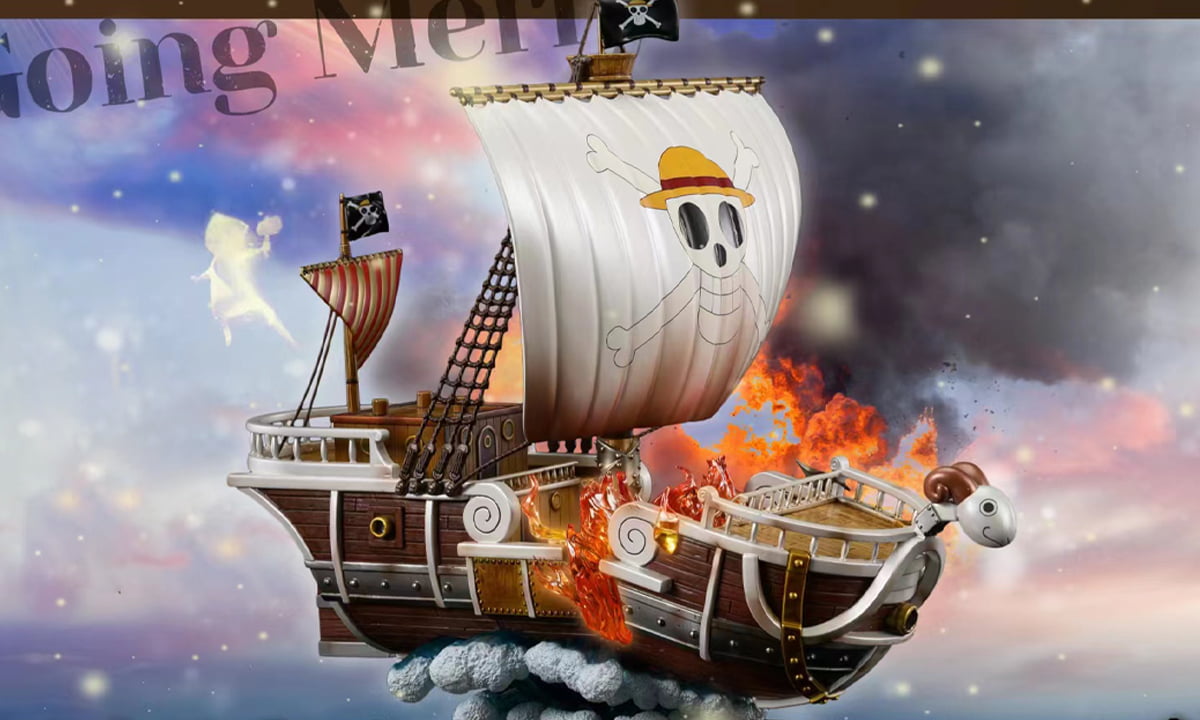
Fig 4: Multi-layer painting technique for dimensional modeling and depth.
4. Dry Brushing Technique – Texture & Realism
Dry brushing creates realistic texture and emphasizes sculpted details. The technique requires: (1) Load brush with minimal paint; (2) Wipe 90% of paint onto paper towel; (3) Apply with light, directional strokes across raised surfaces. This creates controlled highlight effects without obscuring underlying detail. Dry brushing is essential for fabric textures, metallic surfaces, and weathering effects.
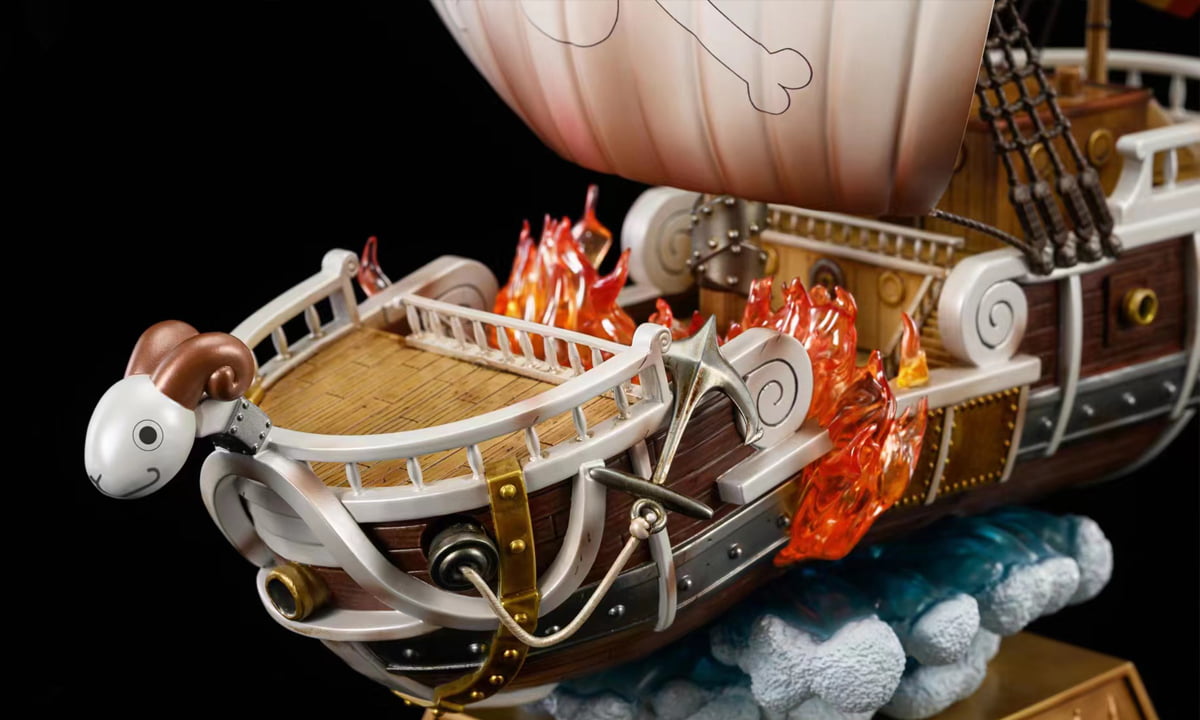
Fig 5: Dry brushing and fine detailing for realistic texture effects.
5. Fine Detailing – Precision Craftsmanship
Facial features, logos, and fine patterns demand precision brushwork using 0.5-1.0mm brushes or even toothpicks. Professional painters maintain ±0.1mm accuracy on eye pupils, eyebrows, and mouth lines. Key practices: (1) Use thinned paint (50% paint, 50% water) for better flow; (2) Employ magnification (5-10x) for detail work; (3) Apply multiple thin coats rather than one thick coat to avoid paint pooling.
Sealant Protection & Weathering Effects 🛡️
- Matte Sealant: Provides non-reflective finish, ideal for realistic military/civilian figures. UV-resistant formulations prevent fading. ✅
- Gloss Sealant: Enhances color vibrancy, ideal for comic/anime figures. Creates protective shell against dust and moisture. 🌟
- Weathering Effects: Dry brushing, stippling, and pigment washes simulate battle damage, rust, mud, and aging. Adds narrative realism. 🎭
- Longevity: Properly sealed figures maintain paint integrity for 50+ years with minimal UV exposure. Museum-grade sealants rated ASTM D-2485. 📊
TOYYIE’s Professional Painting Services
Whether you’re a collector seeking museum-quality hand-painted figures, a brand requiring custom collectible production, or a designer needing prototype visualization, TOYYIE delivers professional-grade painting services. Our painters hold 10+ years of industry experience and maintain ±0.1mm precision standards across all detail work.
Ready to elevate your action figures to collectible status?
Request a Custom Painting Quote from our Master Painters. 🎨