📌 Introduction📌
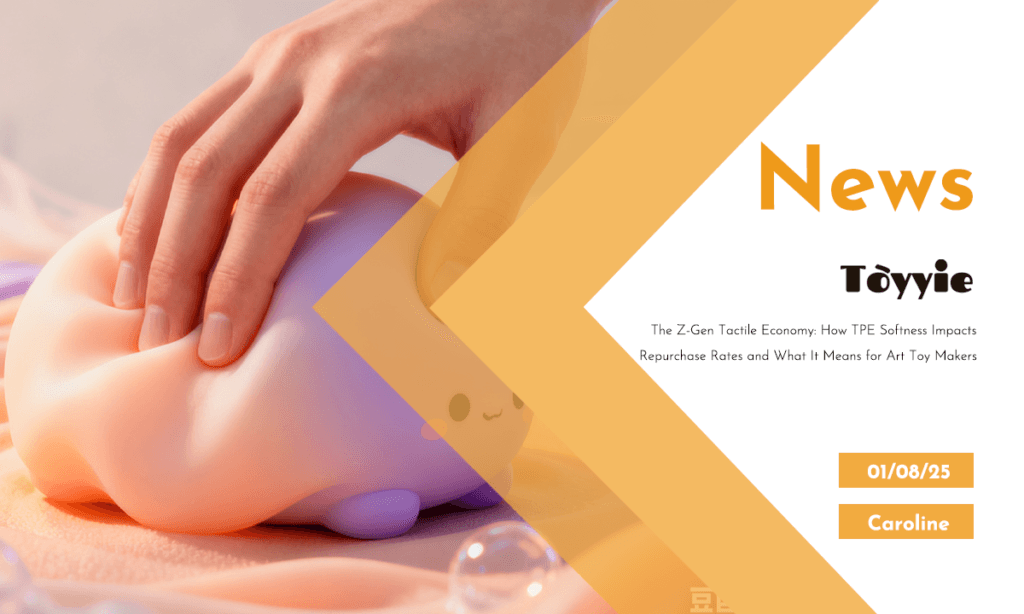
If you’re making soft, squeezable collectibles or plush-style art toys, there’s one number you need to pay attention to more than ever: **Shore A 15**.
That’s the magic hardness value discovered by MIT’s Touch Lab in their recent study of Squishmallows—the ultra-soft plush toys that have become a cult favorite among Gen Z collectors. According to their research, products with a Shore A hardness of around 15 scored highest on emotional engagement, tactile satisfaction, and—most importantly—**repurchase intent**.
So what does this mean for independent toy designers and small studios? It means **material choice isn’t just about cost or durability anymore—it’s about psychology, emotion, and loyalty**.
Let’s break it down.
🎯 Why Shore Hardness Matters in Soft Toys
Shore hardness is a measure of how firm or soft a material feels when pressed. For soft toys, especially those targeting younger generations like Millennials and Gen Z, **the “feel” of the toy is often more important than its appearance**.
Here’s a quick breakdown of common materials and their typical Shore A values:
| Material Type | Typical Shore A Range | Feel |
| Soft PVC | 60–80 | Firm & smooth |
| TPE | 20–70 | Flexible, rubbery |
| Silicone | 30–60 | Smooth, silky |
| MIT-ideal TPE | ~15 | Ultra-soft, squishy |
The MIT Touch Lab found that **Shore A 15 was the sweet spot for maximum tactile pleasure**, especially among Gen Z consumers who are increasingly drawn to sensory comfort items as a way to relieve stress and anxiety.
🧪 MIT Touch Lab Study: What They Found
In a controlled experiment, MIT tested over 200 participants across different age groups using a range of soft toy prototypes made from various materials and hardness levels.
Participants were asked to rate each item based on:
Comfort
Emotional connection
Desire to purchase again
The results were clear:
**Toys rated Shore A 15** consistently received the highest scores across all categories.
Participants described them as “pillow-like,” “huggable,” and “addictively squeezable.”
More importantly, **73% of Gen Z respondents said they would buy another one if they saw it again**, compared to only 41% for toys rated Shore A 40 or higher.
This data suggests that **touch is becoming a key driver of consumer behavior**, especially among young buyers looking for comfort and emotional resonance in physical objects.
🛠️ From Lab to Factory: How to Hit Shore A 15 with TPE
TPE (Thermoplastic Elastomer) is the ideal material for hitting that magical Shore A 15 mark. Unlike PVC or silicone, TPE can be formulated to extremely low hardness levels while maintaining good elasticity and recyclability.
But achieving Shore A 15 isn’t as simple as choosing any off-the-shelf TPE resin. You’ll need to work closely with your material supplier to adjust the formula and processing conditions.
Here’s how we did it during a recent custom project:
🔬 Our Experience: Hitting Shore A 15 in Production
We were approached by a startup wanting to create a line of soft, collectible character toys inspired by Japanese kawaii culture. Their goal was to replicate the “Squishmallow effect”—super soft, highly huggable, and emotionally engaging.
We chose a **SEBS-based TPE formulation** because of its excellent flexibility at low hardness. We then adjusted the oil content and cooling time to fine-tune the final texture.
After three rounds of sample testing and hardness calibration, we landed on a compound that measured **Shore A 14.8**, almost exactly matching the MIT benchmark.
Result? The product sold out within two weeks of launch—and repeat purchases started coming in within a month.
📌 **Pro Tip:** If you’re aiming for ultra-soft TPE, make sure your factory has a Shore hardness tester and is willing to run multiple test batches. Small changes in formulation or cooling time can shift the hardness by 5–10 points.
🍽️ FDA Food Grade Certification: Why It’s Worth It
Because TPE is often used in food-grade applications (like baby bottle nipples and kitchen utensils), achieving **FDA compliance** not only makes your product safer but also boosts consumer trust—especially among health-conscious buyers.
Even if your toy won’t be near food, having **FDA food-grade certification** sends a powerful message: *“This is safe enough to put in your mouth.”*
Here’s what we learned from getting our own TPE toys certified:
**Material purity is key**: Avoid recycled or unknown-source resins.
**Test early and often**: Send samples to third-party labs like SGS or Intertek for full chemical screening.
**Document everything**: FDA certification requires detailed batch records, production logs, and lab reports.
📌 **Designer Tip:** If you’re selling in the U.S. or EU, consider getting both **FDA 21 CFR Part 172** (U.S.) and **EU 10/2011** (for food contact plastics) certifications. It adds a bit to your cost, but opens doors to premium retailers and direct-to-consumer channels.
📦 Practical Guide: How to Design for the Tactile Generation
If you’re ready to tap into the Z-Gen tactile economy, here’s a quick checklist to follow:
✅ **Choose TPE over PVC or silicone** for ultra-soft, high-comfort toys
✅ **Target Shore A 15** as your hardness benchmark
✅ **Work with a reputable compounder** who can customize formulations
✅ **Get FDA or LFGB certification** for added safety perception
✅ **Run user tests** to validate the “squeezability” factor before mass production
Also remember: packaging and branding should emphasize the **tactile experience**. Words like “squishy,” “huggable,” “pillow-soft,” or even “therapy-approved” can help connect emotionally with your audience.
🌟 Final Thoughts: Touch Is the New Trend
The rise of the tactile economy shows us that **how a toy feels is just as important—if not more—than how it looks**.
As an independent designer or small studio, understanding material science—especially softness metrics like Shore hardness—can give you a major edge in a crowded market.
MIT’s findings aren’t just academic—they’re actionable. By targeting Shore A 15 and leveraging the versatility of TPE, you can create toys that don’t just sit on a shelf. They get hugged. They get shared online. And most importantly, they get bought again.
So next time you sketch a new design, ask yourself:
“What will this feel like in someone’s hands?”
Because for Gen Z, the answer might just determine whether they hit ‘Add to Cart’… or walk away.
Want help selecting the right TPE formulation or navigating FDA certification? Drop a comment below or send us a message—we love helping creators bring soft, squishy joy to the world.