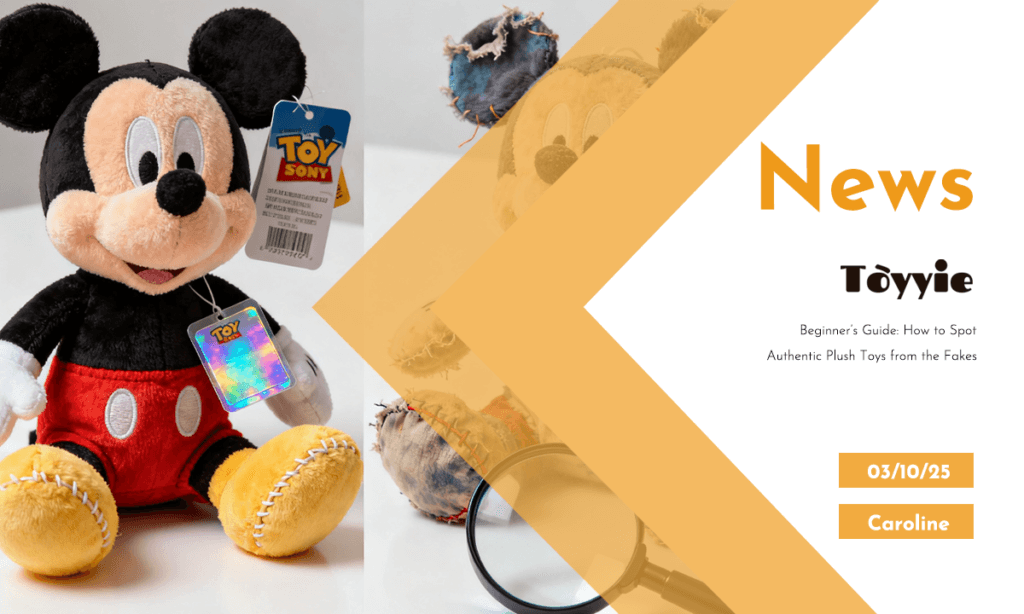
📌 Introduction📌
Hello fellow collectors!
In today’s world of online shopping, finding genuine collectible plush toys can be tricky. But fear not! With over a decade in plush toy manufacturing, I’m here to share insider tips on how to avoid those pesky fakes.
Let’s dive into the essentials of spotting authentic plush toys.
📦 Packaging: Your First Line of Defense
Packaging is often your first clue about the authenticity of a plush toy. Here’s what to look for:
1. **Brand Consistency**
– **Logo Quality:** Genuine products have perfectly aligned logos printed with high-quality ink. Counterfeits may show misaligned or blurry logos.
– **Color Scheme:** Authentic packaging uses consistent colors that match the brand’s palette. Fake versions might use slightly off hues.
> **From the factory floor:** We once had a batch where the logo was printed too faintly. It taught us the importance of quality control.
2. **Material Quality**
– **Box Material:** High-end plush toys come in sturdy boxes made from thick cardboard. Knock-offs often use thinner, flimsier material.
– **Sealing:** Official packages usually have tamper-evident seals. If the package looks like it’s been taped shut or has no seal at all, proceed with caution.
3. **Language Accuracy**
– **Instructions & Descriptions:** Legitimate products provide clear, well-translated instructions in multiple languages. Poor grammar or awkward phrasing can be a red flag.
🔍 Physical Inspection: Touch & Feel
Once you’ve opened the package, it’s time to inspect the plush toy itself. Here’s how to tell if it’s the real deal:
1. **Stitching & Fabric**
– **Consistency:** Real plush toys have even, tight stitching. Fake ones might have loose threads or uneven seams.
– **Fabric Texture:** Authentic materials feel soft yet durable. Counterfeit fabrics can feel rough or overly shiny.
> **Personal tip:** Always run your fingers over the seams. If they’re bumpy or inconsistent, it could indicate a knock-off.
2. **Weight & Density**
– **Proper Weight Distribution:** Genuine plush toys should have balanced weight distribution. Cheap imitations may feel lopsided or unusually light.
– **Density:** High-quality stuffing gives plush toys their shape and form. Poorly stuffed toys lose their shape easily.
3. **Details & Embellishments**
– **Embroidery:** Look for clean, precise embroidery. Fakes tend to have sloppy stitches or missing details.
– **Accessories:** Official plush toys often come with accessories that match the character’s design. Missing or poorly crafted accessories are common in counterfeits.
🔐 Anti-Counterfeit Features: Your Secret Weapon
Many brands now incorporate anti-counterfeit features to help consumers verify authenticity. Here’s how to make the most of them:
1. **Holographic Labels**
– **Placement:** Most authentic plush toys will have a small holographic sticker somewhere on the packaging or tag. This sticker contains unique identifiers.
– **Verification:** Use the brand’s official website or app to scan or enter the code found on the hologram. If it doesn’t match, it’s likely a fake.
> **Factory insight:** We recently started using QR codes that link directly to product pages. It’s a simple but effective way to confirm authenticity.
2. **Serial Numbers**
– **Location:** Serial numbers can be found on tags, packaging, or sometimes even embroidered onto the plush toy itself.
– **Check Online:** Visit the brand’s website and enter the serial number in their verification tool. If the system doesn’t recognize it, you know something’s amiss.
3. **Tamper-Evident Seals**
– **Purpose:** These seals ensure that the product hasn’t been tampered with before reaching you.
– **Inspection:** Make sure the seal is intact and hasn’t been resealed with tape or glue. Any signs of tampering should raise suspicion.
🛒 Buying Through Official Channels: Your Best Bet
One of the simplest ways to avoid counterfeit plush toys is by purchasing through verified sellers. Here’s how to do it right:
1. **Authorized Retailers**
– **Brand Websites:** Always check the official brand website for a list of authorized retailers. Stick to these sources for peace of mind.
– **Marketplace Verification:** On platforms like Amazon or eBay, look for “sold by” information. Ensure it matches the brand’s authorized seller list.
> **Real-world example:** A customer bought what they thought was an authentic plush toy from a third-party seller on eBay. After opening it, they realized it was a cheap imitation. They learned the hard way that sticking to verified sellers is crucial.
2. **Price Alerts**
– **Too Good to Be True:** If the price seems significantly lower than retail, it’s probably a fake. Brands maintain consistent pricing across authorized channels.
– **Seasonal Sales:** During official sales events, prices drop but remain within a reasonable range. Anything drastically below market value should be questioned.
3. **Customer Reviews**
– **Read Them Carefully:** Check reviews for mentions of authenticity issues. If multiple buyers report receiving fakes, steer clear.
– **Photos:** Some reviewers post photos of their purchases. Compare these images with official product shots to spot discrepancies.
💡 Final Thoughts: Stay Vigilant, Stay Satisfied
In the world of collectibles, authenticity matters. Whether you’re buying for yourself or as a gift, taking the extra steps to verify your purchase can save you from disappointment.
Remember:
– Inspect packaging carefully
– Physically examine the plush toy for quality indicators
– Utilize anti-counterfeit features
– Purchase through trusted channels
By following these guidelines, you’ll be well-equipped to enjoy your plush toys without worrying about fakes.
💬 **Have you ever encountered a counterfeit plush toy?**
Share your experience in the comments below or DM me. Let’s help each other stay savvy shoppers!