📌 Introduction📌
If you’ve ever wondered how brands like **POP MART** keep launching hit after hit — while others struggle to sell even one series — the answer may not be pure luck.
It’s **data**.
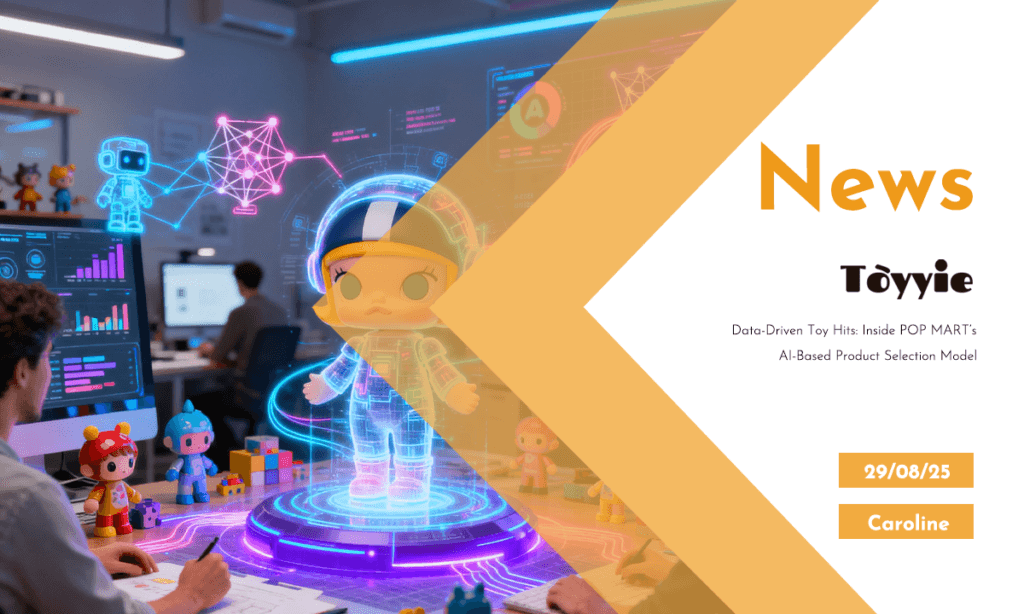
More specifically, it’s their **AI-powered product selection model** — a system that uses user behavior, purchase history, and social feedback to predict which toys will become hits before they’re even made.
As someone running a small toy factory in China that works closely with both global brands and indie creators, I’ve seen this trend up close. And I can tell you:
Data is becoming just as important as design when it comes to making collectible toys.
In this article, I’ll break down:
How AI helps **predict hot toy trends**
How **user data shapes IP design decisions**
What brands can learn from POP MART’s approach
My own experience using simple data insights to improve production planning
Let’s dive in.
The Shift from Guesswork to Data-Backed Design
A few years ago, toy design was mostly guesswork.
You’d have an idea for a character, create a prototype, run a blind drop series, and hope for the best.
Today? That approach feels outdated.
Brands like POP MART are collecting **millions of data points** — from app clicks and blind box purchases to social media comments and resale prices — and feeding them into machine learning models.
Why?
Because these models can detect patterns humans often miss.
For example:
Which characters get clicked on most in the digital catalog?
Which styles sell out first in specific regions?
What colorways generate the most online buzz?
This isn’t science fiction — it’s happening now. And it’s changing how collectibles are made.
How AI Helps Predict the Next Big Toy Trend
At its core, POP MART’s AI model does three things:
1. Tracks User Behavior
Every time a user opens the POP MART app or website, their actions are recorded — what they look at, how long they hover over a toy, whether they add it to cart or skip.
These micro-interactions build a behavioral profile that tells the brand what people *really* like — not just what they say they do.
2. Analyzes Purchase Patterns
Which blind boxes sell fastest? Which characters are re-purchased? Which ones end up being traded or sold secondhand?
By analyzing these trends across different cities and demographics, the model can identify which designs resonate most strongly with real buyers.
3. Predicts Demand Before Production
Once enough data is collected, the AI runs simulations:
“If we make 5,000 units of this new MOLLY design, will it sell out?”
“Should we produce more of the purple version than the green?”
This allows the brand to adjust production numbers early — reducing waste and increasing profitability.
Real-World Example: How We Used Simple Data to Improve Our Own Line
I remember when we launched our own vinyl figure line a few years back. We had a few cute designs, but no clear winner.
Instead of guessing, we did something simple but effective:
We uploaded 3D renders of each character to our Instagram and TikTok pages, asking followers:
“Which one should we produce next?”
We tracked views, saves, and comments — basic metrics, but powerful.
Within a week, one character clearly stood out — a panda with oversized headphones.
That figure became our best-selling piece in the series — and helped us avoid producing underperforming designs.
Was it as advanced as POP MART’s AI? No.
But it proved a point:
Even **basic data collection can guide better creative decisions**.
How This Impacts Manufacturing & Inventory Planning
One of the biggest headaches in toy manufacturing is inventory — especially for limited editions.
Make too many? You’re stuck with unsold stock.
Make too few? You lose sales and damage your brand reputation.
This is where data-driven design really shines.
When brands use AI to forecast demand accurately, manufacturers like us can:
Plan materials and molds ahead of time
Avoid rush orders (and extra costs)
Reduce overproduction and waste
It’s a win-win for everyone involved.
From my own experience, I’ve learned to ask clients:
“Do you have any user preference data we can use for production planning?”
Sometimes they do. Sometimes they don’t. But just having that conversation has helped me deliver better results.
Practical Tips for Indie Brands Looking to Use Data Smarter
You don’t need a full AI team or millions of users to start using data effectively.
Here are some practical steps I recommend:
✅ Track Engagement Early
Use platforms like Instagram, TikTok, or even email newsletters to show early concept art. Track likes, shares, and comments — these are free indicators of interest.
✅ A/B Test Designs
Try showing two versions of a character to different audiences. Which one gets more attention? Let the audience decide.
✅ Use Limited Pre-Orders
Run short pre-order windows for new figures. This gives you real demand signals before going into mass production.
✅ Keep Feedback Loops Short
Ask your community what they think — and listen. Fast iteration based on real input beats slow development based on gut feeling.
✅ Share Results Transparently
When fans see that their opinions directly influence what gets made, they feel more connected to your brand. It builds loyalty.
Final Thoughts: Data Isn’t Replacing Creativity — It’s Enhancing It
Some might worry that using AI and data takes the soul out of toy design.
But from what I’ve seen — the opposite is true.
Data doesn’t kill creativity; it **focuses** it.
It lets artists and designers spend more time on what works — and less on what doesn’t.
And for manufacturers like myself? It means fewer surprises, better planning, and more successful projects.
Because in today’s competitive collectible market, the difference between a hit and a miss often comes down to one question:
Did you listen to your audience before you started building?
Have you tried using data or feedback to shape your toy design or production plans? Or thinking about trying it? I’d love to hear your thoughts — drop a comment below or send me a message. Let’s grow together in this exciting era of smart, data-driven collectibles.
📌 **#ToyAnalytics #POP MART #AIForToys #SmartCollectibles #ToyManufacturing #DesignWithData #IPDevelopment #InventoryPlanning #BlindBoxTech #FutureOfToys