📌 Introduction📌
When you hold a meticulously crafted action figure in your hands, it’s easy to overlook the intricate layers of artistry and technical skill that bring it to life. Yet, for those who truly appreciate the craftsmanship behind these collectibles, one element stands out as both transformative and indispensable: the painting process. This crucial stage is not merely about adding color; it is where a character transcends its plastic origins and becomes a tangible representation of its story, personality, and essence. As someone deeply immersed in the world of action figure design, I’ve witnessed firsthand how high-quality painting can elevate a product from a simple toy to a cherished piece of art.
The significance of painting in action figure production cannot be overstated. It is the final touch that bridges the gap between a static model and a dynamic character. Imagine a superhero figure without the iconic colors of its costume or a fantasy creature devoid of the intricate details that define its otherworldly nature. These elements are not just aesthetic choices—they are vital components that communicate the character’s identity to the viewer. A well-painted figure doesn’t just sit on a shelf; it tells a story, evokes emotion, and invites interaction. In short, painting breathes life into an otherwise inert object.
From my experience, the impact of painting extends far beyond visual appeal. It directly influences the perceived value of the product. Collectors and enthusiasts often judge a figure’s worth not only by its sculpting but also by the finesse of its paintwork. A poorly executed paint job can detract from even the most detailed sculpt, while a masterful application of color can make a simpler design shine. This is why manufacturers invest significant time and resources into perfecting their painting techniques, ensuring that every stroke contributes to the overall narrative of the character.
In this exploration of the painting process, we’ll delve into why this step is so critical to action figure production and how it shapes the final product. We’ll examine the techniques that define high-quality painting, share insights from industry experts, and highlight real-world examples where exceptional painting has transformed figures into timeless collectibles. Whether you’re a seasoned collector, an aspiring designer, or simply someone curious about the magic behind these miniature masterpieces, this journey will deepen your appreciation for the artistry involved—and perhaps inspire you to see action figures in a whole new light.
💎 The Role of High-Quality Painting in Enhancing Product Value
High-quality painting is not merely an aesthetic enhancement; it is a pivotal factor that significantly boosts the market value and desirability of action figures. For collectors and enthusiasts, the level of detail and precision in a figure’s paint job often serves as a primary determinant of its worth. When a figure boasts impeccable painting, it transcends its role as a mere toy and becomes a coveted collectible, commanding higher prices and greater attention in the marketplace.
1️⃣ Financial Impact
Consider the financial implications of superior painting. Figures with meticulous paint applications frequently appear in auctions and specialized markets where they fetch premiums far above their mass-produced counterparts. For instance, limited edition figures with hand-painted details or exclusive color schemes can increase in value exponentially over time, becoming prized possessions for collectors. This appreciation in value is largely driven by the scarcity and craftsmanship associated with high-quality painting, which appeals to collectors’ desires for uniqueness and exclusivity.
2️⃣ Psychological Impact
Moreover, the psychological impact of high-quality painting on consumer perception cannot be understated. When a potential buyer encounters a beautifully painted action figure, the immediate visual appeal triggers an emotional response, enhancing the perceived quality and desirability of the product. This emotional connection is crucial; it transforms a simple purchase into an investment in art. Consumers are more likely to view these figures as pieces of art rather than mere toys, justifying a higher price point and fostering a deeper appreciation for the craftsmanship involved.
3️⃣ Differentiation in a Saturated Market
From my own experiences in the industry, I’ve observed how meticulous painting can dramatically alter the reception of a product line. During one project, we introduced a series of figures with enhanced painting techniques, focusing on subtle shading and precise detailing. The response was overwhelmingly positive, with sales figures soaring and customer feedback highlighting the noticeable improvement in quality. This not only validated the importance of investing in superior painting but also underscored its role in building brand loyalty and repeat business.
Furthermore, high-quality painting acts as a differentiator in a saturated market. With countless action figures available, those that stand out visually due to exceptional paint jobs capture consumer interest more effectively. This differentiation is crucial for brands aiming to establish a reputation for excellence and exclusivity. By prioritizing painting quality, manufacturers can position their products at the premium end of the market, attracting discerning collectors willing to pay a premium for superior craftsmanship.
In conclusion, the role of high-quality painting in action figures is multifaceted, influencing not only the aesthetic and emotional appeal but also the economic value and market positioning of the products. As we continue to explore the nuances of painting techniques and their impact, it becomes evident that investing in superior painting is not just beneficial—it is essential for any brand looking to thrive in the competitive world of collectibles.
🎨 Techniques That Define Superior Painting in Action Figures
Achieving high-quality painting in action figures requires a combination of advanced techniques and meticulous attention to detail. These methods not only enhance the visual appeal of the figures but also ensure their durability and authenticity. Let’s delve into some of the key techniques used in the industry and explore how they contribute to the overall quality of the final product.
1️⃣ Airbrushing: Precision and Consistency
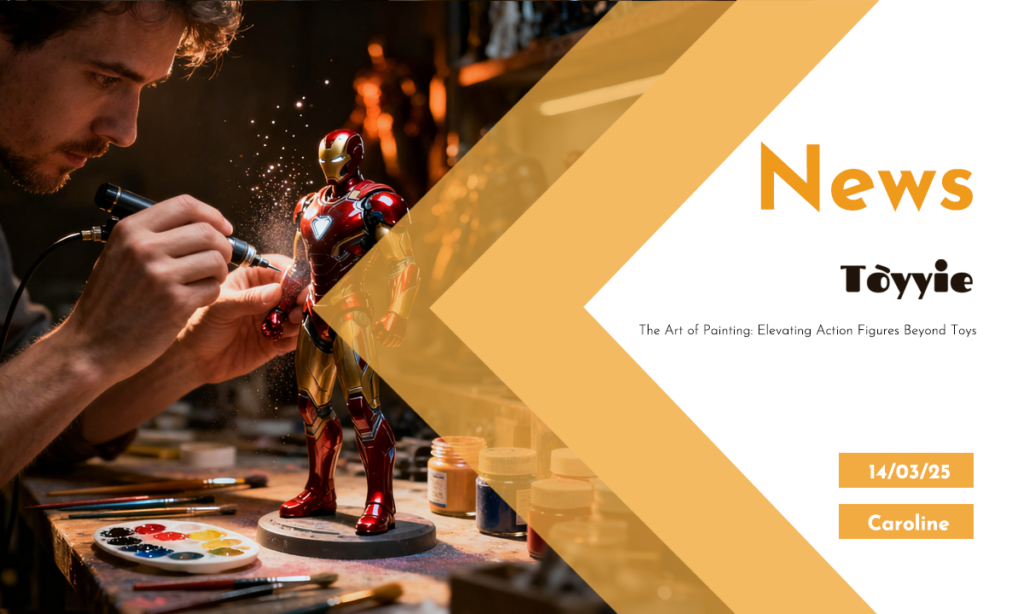
Airbrushing is a cornerstone technique in action figure painting, allowing artists to apply smooth, even layers of paint across complex surfaces. Unlike traditional brushes, airbrushes provide unparalleled control over paint distribution, making them ideal for achieving gradients, shadows, and highlights.
For example, when painting a metallic armor piece, airbrushing enables the artist to create a realistic sheen by layering translucent colors. This technique ensures that the metallic effect appears natural and consistent, avoiding the blotchy appearance that can result from hand-painting. Additionally, airbrushing minimizes brush strokes, resulting in a flawless finish that enhances the figure’s realism.
2️⃣ Hand-Painting: Adding Intricate Details
While airbrushing excels at covering large areas, hand-painting remains indispensable for adding fine details that bring characters to life. This technique involves using small brushes to apply paint to specific areas, such as facial features, insignias, or intricate patterns on clothing.
A classic example of hand-painting’s impact can be seen in figures featuring elaborate costumes, like those inspired by comic book heroes. The delicate lines of a spider-web pattern on Spider-Man’s suit or the intricate runes on a fantasy warrior’s armor require the steady hand and keen eye of a skilled artist. Hand-painting allows for customization and personalization, ensuring that each figure reflects the unique characteristics of its character.
3️⃣ Weathering Effects: Creating Realism
Weathering is a technique used to simulate wear and tear, giving action figures a sense of history and authenticity. This method involves applying layers of dirt, scratches, rust, or chipped paint to mimic the effects of time and use. Weathering is particularly effective for figures representing battle-worn warriors, post-apocalyptic survivors, or vintage-inspired designs.
For instance, a figure depicting a soldier in a war-torn setting might feature scuffed boots, faded camouflage patterns, and dented armor. These details not only enhance the narrative of the character but also make the figure more relatable and immersive. Weathering requires a deep understanding of materials and textures, as well as a creative approach to storytelling through visual cues.
4️⃣ Layering and Shading: Building Depth
Layering and shading are essential techniques for creating depth and dimension in painted figures. By applying multiple thin layers of paint, artists can achieve rich, vibrant colors while maintaining translucency. Shading, on the other hand, involves adding darker tones to recessed areas and lighter tones to raised surfaces, simulating the effects of light and shadow.
This technique is particularly important for figures with complex designs, such as dragons with iridescent scales or robots with metallic finishes. Proper layering and shading ensure that these elements appear three-dimensional, capturing the viewer’s attention and enhancing the overall realism of the figure.
5️⃣ UV Mapping and Digital Painting: Bridging Traditional and Modern Methods
With advancements in digital tools, UV mapping and digital painting have become integral to the painting process. UV mapping involves unwrapping a 3D model’s surface into a 2D texture map, allowing artists to paint directly onto the model in software like ZBrush or Substance Painter. This method provides unparalleled precision and consistency, especially for mass-produced figures.
Digital painting is particularly useful for creating intricate textures, such as skin pores, fabric weaves, or weathered surfaces. Once the digital painting is complete, the texture map is applied to the 3D model, ensuring that every detail is accurately reproduced during production. This hybrid approach combines the efficiency of digital tools with the artistry of traditional techniques, resulting in figures that are both visually stunning and production-friendly.
6️⃣ Quality Control: Ensuring Consistency
Finally, no discussion of painting techniques would be complete without addressing quality control. Even the most advanced techniques can fall short if not accompanied by rigorous inspection processes. Manufacturers often employ magnification tools and standardized lighting conditions to scrutinize every figure for defects, such as uneven paint application, smudges, or missed spots.
I recall a project where a slight inconsistency in paint thickness led to visible blemishes on a batch of figures. By implementing stricter quality control measures, including automated inspections and manual reviews, we were able to identify and rectify the issue before the product reached consumers. This attention to detail not only preserves the integrity of the figure but also reinforces the brand’s reputation for excellence.
By mastering these techniques, manufacturers can create action figures that not only meet but exceed consumer expectations. From airbrushing and hand-painting to weathering and digital tools, each method plays a vital role in elevating the quality of the final product. As you explore the world of action figure painting, keep these techniques in mind—they are the foundation upon which unforgettable characters are built.
🌟 Case Studies: The Impact of Exceptional Painting on Iconic Action Figures
To truly appreciate the transformative power of high-quality painting, let’s delve into some iconic action figures whose exceptional paint jobs have left an indelible mark on collectors and enthusiasts alike. These case studies not only highlight the technical mastery involved but also demonstrate how painting can elevate a figure from a mere toy to a celebrated work of art.
1️⃣ Hot Toys’ "Iron Man Mark LXXXV" (Avengers: Endgame)
Few action figures exemplify the pinnacle of painting craftsmanship better than Hot Toys’ “Iron Man Mark LXXXV” from *Avengers: Endgame*. This figure is a masterclass in metallic finishes, gradient shading, and intricate detailing. The armor’s gold and red hues are achieved through a combination of airbrushing and hand-painting, ensuring a seamless transition between colors. What sets this figure apart, however, is the meticulous attention to weathering effects. Subtle scratches, scuffs, and battle damage are strategically applied to reflect the character’s climactic final moments in the film. These details not only enhance the figure’s realism but also deepen its emotional resonance, allowing fans to relive Tony Stark’s heroic sacrifice.
The impact of this figure’s painting extends beyond its visual appeal. Collectors have praised its ability to capture the essence of Iron Man’s legacy, making it one of the most sought-after pieces in the Hot Toys lineup. Its success underscores how superior painting can transform a licensed product into a timeless collectible.
2️⃣ Medicom Toy’s "RAH (Real Action Heroes) Joker" (The Dark Knight)
Medicom Toy’s RAH series is renowned for its hyper-realistic figures, and their portrayal of Heath Ledger’s Joker from *The Dark Knight* is a standout example. The figure’s face paint is a tour de force of hand-painting, replicating Ledger’s chaotic yet deliberate makeup with astonishing accuracy. Every brushstroke—from the smeared white base to the jagged red smile—captures the character’s anarchic spirit. The subtleties of shading around the eyes and mouth add depth, making the figure appear almost lifelike.
What makes this figure particularly remarkable is how the painting enhances its storytelling potential. The Joker’s asymmetrical makeup and uneven smudges convey his descent into madness, inviting viewers to interpret his psyche. This level of detail has earned the figure widespread acclaim, solidifying its status as a benchmark for character authenticity in action figures.
3️⃣ S.H. Figuarts’ "Spider-Man (Homecoming)
S.H. Figuarts’ Spider-Man figure from *Spider-Man: Homecoming* showcases the importance of layering and shading in achieving realism. The figure’s suit features a textured web pattern that is painstakingly applied using a combination of airbrushing and digital painting techniques. The translucent red and blue hues are layered to create a dynamic, almost glowing effect under certain lighting conditions. Highlights and shadows are carefully added to accentuate the musculature beneath the suit, giving the figure a lifelike presence.
This figure’s success lies in its ability to balance simplicity with sophistication. While Spider-Man’s design is relatively straightforward compared to other superheroes, the attention to detail in the painting elevates it to a premium collectible. Fans have lauded its ability to capture the youthful energy and vulnerability of Tom Holland’s portrayal, making it a favorite among Marvel enthusiasts.
4️⃣ NECA’s "Aliens: Ultimate Queen Xenomorph
NECA’s “Ultimate Queen Xenomorph” from the *Aliens* franchise is a testament to the power of weathering and textural painting. The figure’s exoskeleton is painted with a combination of glossy and matte finishes to mimic the alien’s biomechanical appearance. Weathering effects, such as acid burns and organic residue, are applied to the tail and claws, adding a visceral sense of danger. The inner jaws, painted with a glistening wet effect, further enhance the figure’s menacing aura.
This figure’s painting not only captures the essence of the Xenomorph but also immerses fans in the terrifying world of the *Aliens* films. Its success highlights how weathering and textural techniques can evoke emotions and create a tangible connection between the figure and its source material.
5️⃣ Bandai’s "Kamen Rider Black RX
Bandai’s “Kamen Rider Black RX” figure from their S.H. Figuarts line is a prime example of how color choice and contrast can define a character. The figure’s vibrant red and black color scheme is executed with precision, using airbrushing to create smooth gradients and sharp edges. Metallic accents on the armor and accessories add a touch of elegance, while hand-painted details on the helmet and belt buckle ensure accuracy.
The figure’s striking appearance has made it a fan favorite, demonstrating how bold color choices can enhance a character’s iconic status. Its success reinforces the idea that painting is not just about technical skill but also about understanding the character’s identity and translating it into visual form.
These case studies illustrate the profound impact of high-quality painting on action figures. Whether through metallic finishes, hand-painted details, or weathering effects, each figure tells a story that resonates with collectors. As you explore these examples, consider how painting transforms not just the appearance but also the soul of a character, leaving a lasting impression on those who admire it.
💕 The Emotional Connection: How Painting Brings Characters to Life
Painting is not merely a technical process; it is the bridge that connects the physical form of an action figure to the emotional core of its character. Through color, texture, and detail, painting imbues figures with personality, backstory, and a sense of authenticity that resonates deeply with collectors and enthusiasts. This emotional connection is what transforms a static object into a living, breathing representation of its fictional counterpart.
1️⃣ Color Psychology
Consider the role of color psychology in shaping a character’s identity. Colors are powerful tools that evoke specific emotions and associations. For instance, the vibrant reds and blues of Spider-Man’s suit symbolize heroism and youthful energy, while the dark greens and purples of the Joker’s attire evoke chaos and unpredictability. When these colors are applied with precision and intention, they reinforce the character’s narrative and invite viewers to engage with their story on a subconscious level. A well-executed paint job ensures that these colors are not just visually striking but also emotionally resonant, creating an instant bond between the figure and its audience.
2️⃣ Texture and Detail
Texture and detail further enhance this connection by grounding the character in a tangible reality. Weathering effects, for example, tell a story of battles fought and hardships endured. A figure with chipped armor or faded insignias conveys resilience and history, allowing collectors to imagine the trials their favorite characters have faced. Similarly, intricate patterns or subtle shading can highlight a character’s complexity, adding layers of depth that invite closer inspection. These details remind us that action figures are not just toys—they are vessels of storytelling, capable of evoking nostalgia, excitement, or even introspection.
3️⃣ Emotional Resonance
From my own experience, I’ve witnessed how painting can elicit profound emotional responses. During a project involving a fantasy-themed figure, we experimented with different paint finishes to capture the ethereal glow of a mystical creature. The final result—a shimmering, pearlescent effect—was met with overwhelming enthusiasm from fans, many of whom described feeling transported to the magical world the character inhabited. This reaction reinforced the idea that painting is not just about aesthetics; it is about creating an immersive experience that speaks to the heart.
Ultimately, the emotional connection fostered by high-quality painting is what makes action figures so enduringly popular. They allow us to hold a piece of our favorite stories in our hands, to revisit beloved characters, and to celebrate the artistry that brings them to life. Whether you’re a collector, a designer, or simply someone who appreciates the magic of these miniature masterpieces, remember that every brushstroke is a step toward capturing the soul of a character—and forging a bond that transcends the boundaries of fiction and reality.
🔮 The Future of Action Figure Painting: Trends and Innovations
As technology continues to evolve, the future of action figure painting is poised to embrace groundbreaking innovations that promise to redefine the industry. One of the most exciting developments is the integration of augmented reality (AR) and virtual reality (VR) into the painting process. These technologies offer unprecedented opportunities for both creators and consumers. Imagine being able to visualize a figure’s paint job in real-time through AR, allowing designers to experiment with colors and textures in a virtual environment before committing to physical production. Similarly, VR could enable artists to “step inside” a 3D model, manipulating paint layers and details as if working on a tangible object. Such advancements not only streamline workflows but also open new avenues for creativity and precision.
1️⃣ Augmented Reality (AR) and Virtual Reality (VR)
Another trend gaining traction is the use of AI-driven tools to assist in the painting process. AI algorithms can analyze reference images, suggest optimal color palettes, and even automate repetitive tasks like base coating or texture mapping. This not only reduces production time but also ensures consistency across large batches of figures. For example, an AI system could detect minute variations in paint application and flag potential defects, ensuring that every figure meets the highest quality standards. While AI won’t replace the human touch entirely, it serves as a powerful ally in achieving unparalleled levels of detail and accuracy.
2️⃣ AI-Driven Tools
Sustainability is also emerging as a key focus in the evolution of painting techniques. Eco-friendly paints and finishes are becoming increasingly popular, driven by both consumer demand and regulatory pressures. Water-based paints, biodegradable coatings, and non-toxic pigments are gradually replacing traditional materials, reducing the environmental impact of production. Additionally, advancements in digital painting and UV mapping allow for more efficient use of resources, minimizing waste during the prototyping and manufacturing stages. These sustainable practices not only align with global efforts to combat climate change but also appeal to environmentally conscious collectors.
3️⃣ Sustainable Practices
Looking ahead, the convergence of these trends suggests a future where action figure painting is more dynamic, precise, and inclusive than ever before. Augmented reality could democratize the design process, enabling fans to customize their figures with unique paint schemes. AI-driven tools could lower barriers to entry for independent creators, fostering a new wave of innovation in the industry. Meanwhile, sustainable practices will ensure that the art of painting continues to thrive without compromising the planet. As these technologies mature, they will undoubtedly shape the next generation of action figures, offering collectors and enthusiasts an even richer, more immersive experience.
4️⃣ Democratization of Design
In embracing these advancements, we must also recognize the enduring importance of human artistry. While technology provides powerful tools, it is the vision, skill, and passion of artists that breathe life into every figure. By combining cutting-edge innovations with timeless craftsmanship, the future of action figure painting promises to be as vibrant and inspiring as the characters it brings to life.
🎓 Mastering the Art of Action Figure Painting: Key Takeaways and Practical Tips
As we conclude this exploration of the pivotal role painting plays in action figure production, it’s clear that this process is far more than a finishing touch—it’s the heartbeat of every figure’s identity. High-quality painting not only enhances the visual appeal of action figures but also elevates their value, emotional resonance, and storytelling potential. From the precision of airbrushing to the intricate details of hand-painting, each technique contributes to transforming a static model into a dynamic character that captivates collectors and enthusiasts alike.
For those eager to dive deeper into the world of action figure painting, here are some actionable tips to help you refine your skills and deepen your appreciation for this craft:
Start with the Basics:Before attempting complex techniques, master foundational skills like color theory, brush control, and layering. Understanding how colors interact and how light affects surfaces is essential for achieving realistic results.
Invest in Quality Tools:Whether you’re using airbrushes, fine brushes, or digital tools, the right equipment can make a significant difference. High-quality tools ensure smoother application and greater precision, allowing you to focus on the creative process.
Study Reference Materials:Analyze official action figures, concept art, and real-world objects to understand how professionals achieve their results. Pay close attention to details like shading, texture, and weathering effects.
Experiment with Techniques:Don’t be afraid to try new methods, such as weathering or metallic finishes. Experimentation not only builds your skill set but also helps you discover your unique style.
Join Online Communities:Platforms like Reddit, DeviantArt, and specialized forums are treasure troves of knowledge. Engage with fellow enthusiasts, share your work, and learn from others’ experiences.
Explore Tutorials and Courses:Many industry experts offer tutorials and online courses that break down advanced techniques into manageable steps. These resources can accelerate your learning and provide valuable insights.
Practice Patience and Precision:Painting action figures is a labor of love that demands time and attention to detail. Rushing the process can lead to mistakes, so take your time to ensure every stroke counts.
Stay Updated on Trends:Follow industry news and technological advancements to stay ahead of the curve. Innovations like AR, AI, and sustainable practices are reshaping the field, and staying informed will help you adapt and grow.
🖌️ Conclusion: Painting as the Heartbeat of Action Figures
For those seeking further education, consider exploring books like *”How to Paint Citadel Miniatures”* by Games Workshop or *”The Art of Painting Miniatures”* by Jennifer Haley, which delve into advanced techniques applicable to action figure painting. Additionally, online platforms like YouTube host countless video tutorials from professional artists who share their workflows and tips for achieving stunning results.
Ultimately, mastering the art of action figure painting is a journey that combines technical skill, creative vision, and a deep appreciation for the characters being brought to life. Whether you’re a seasoned collector, an aspiring designer, or simply someone curious about this intricate craft, remember that every brushstroke is an opportunity to tell a story and connect with a broader community of enthusiasts. By embracing the techniques and insights shared here, you’ll not only enhance your own projects but also contribute to the rich legacy of action figure artistry.
So, pick up your tools, experiment fearlessly, and let your passion guide you. The world of action figure painting awaits—ready to inspire, challenge, and reward those willing to explore its endless possibilities.