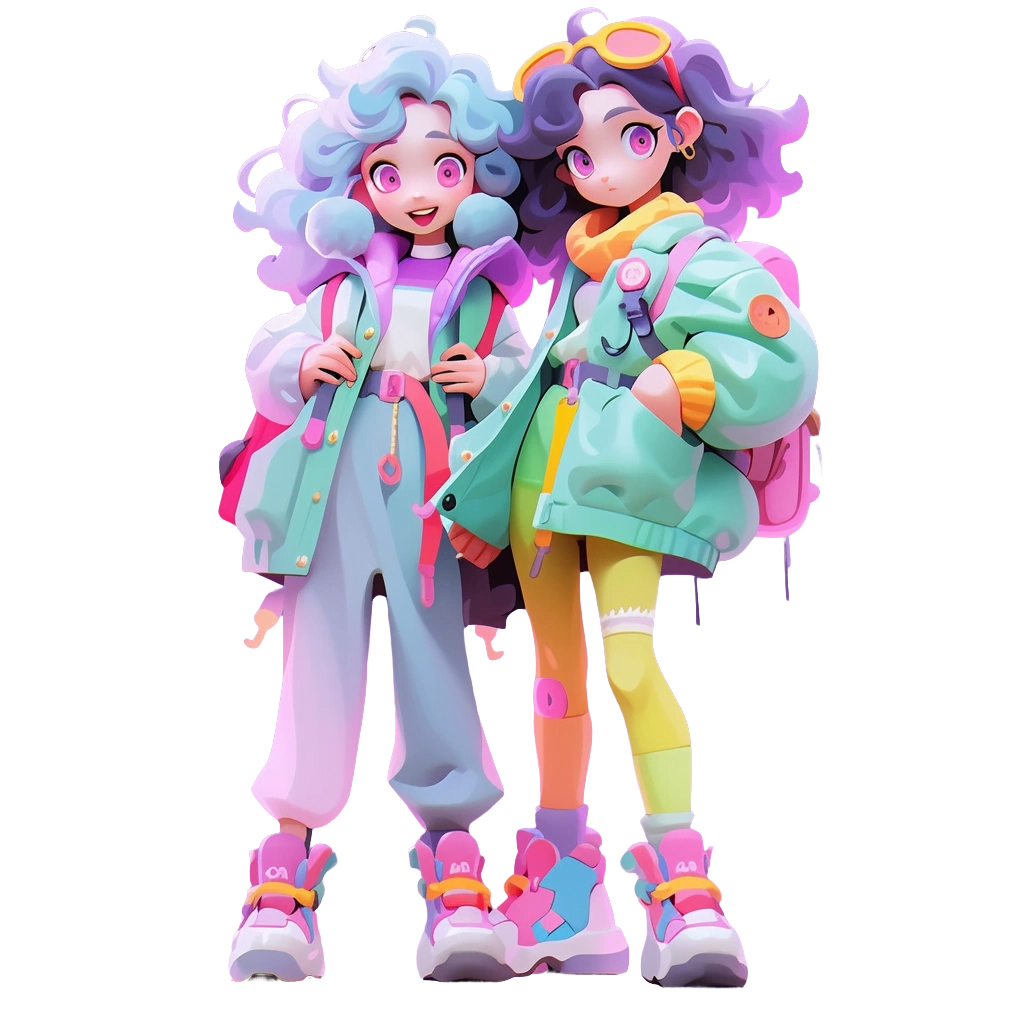

🎨 Material Strategy for Art Toy Brands: A strategic analysis of how material selection—from Vinyl and PVC to Resin and ABS—influences brand positioning, perceived value, and manufacturing scalability in the global art toy market.
At TOYYIE, a premier OEM/ODM toy manufacturer, we understand that the choice of material is not merely a technical decision but a foundational brand strategy. This guide explores how different materials define the identity and market success of art toy brands.
🧩 Material Comparison and Brand Impact
| Material | Brand Positioning | Perceived Value | Scalability |
|---|---|---|---|
| Vinyl (Sofubi) | Urban, counter-culture, artisan | High (collectible status) | Low to Moderate |
| PVC | Pop-culture, mass-market, durable | Moderate | High (injection molding) |
| Resin (Polyresin) | Luxury, high-fidelity, limited edition | Very High | Low (hand-cast) |
| ABS | Technical, modular, precise | Moderate to High | High (precision molding) |
| Eco-Plastics (rPETG) | Sustainable, conscious, modern | Moderate (growing) | Moderate to High |
| Metal/Alloy | Premium, industrial, heavy-duty | Extreme | Low |
| Wood | Organic, minimalist, eco-luxury | High | Low |
| Mixed Media | Experimental, complex, high-art | Very High | Very Low |
Vinyl: The Soul of Urban Art Toys
Vinyl, particularly Sofubi (soft vinyl), is synonymous with the urban art toy movement. Its unique tactile quality and the artisan nature of rotocasting position brands as authentic and counter-cultural, commanding high collectible value despite moderate production scalability.
TOYYIE Insight: Rotocasting vinyl allows for hollow, lightweight figures with a distinct “soft” feel. For brands targeting the high-end collector market, Sofubi remains the gold standard for authenticity and artisan appeal.
PVC and ABS: Precision and Mass Appeal
For brands focusing on pop-culture IPs and larger production runs, PVC and ABS offer unparalleled precision and durability. Injection molding enables high-volume scalability while maintaining consistent quality, making these materials ideal for blind box series and mass-market collectibles.
TOYYIE Insight: Combining ABS for structural components and PVC for detailed, flexible parts allows brands to achieve a balance of rigidity and fine detail, optimizing both product performance and manufacturing efficiency.
Resin: The Pinnacle of Limited Editions
Polyresin is the material of choice for luxury, high-fidelity statues and limited-edition art pieces. Its ability to capture extreme detail and its substantial weight contribute to a very high perceived value, positioning the brand at the pinnacle of the art toy market.
Sustainability as a Brand Pillar
As consumer awareness grows, eco-friendly plastics like rPETG are becoming a powerful brand differentiator. Brands that prioritize sustainability can build deep loyalty with conscious collectors, positioning themselves as forward-thinking and responsible leaders in the industry.
TOYYIE Material Expertise for Art Toy Brands 🚀
- Vinyl Rotocasting: Authentic Sofubi production for urban art toy brands
- Precision Injection Molding: High-volume PVC and ABS manufacturing for mass-market success
- Luxury Resin Casting: High-fidelity polyresin production for limited edition statues
- Sustainable Material Innovation: Integration of eco-friendly plastics for conscious branding
- Strategic Material Consulting: Aligning material choice with brand positioning and market goals
TOYYIE — Defining Your Brand Through Material Excellence
Leverage TOYYIE’s deep material expertise to define your art toy brand’s identity and achieve market leadership.
Contact TOYYIE for a Material Strategy Consultation →