📌 Introduction📌
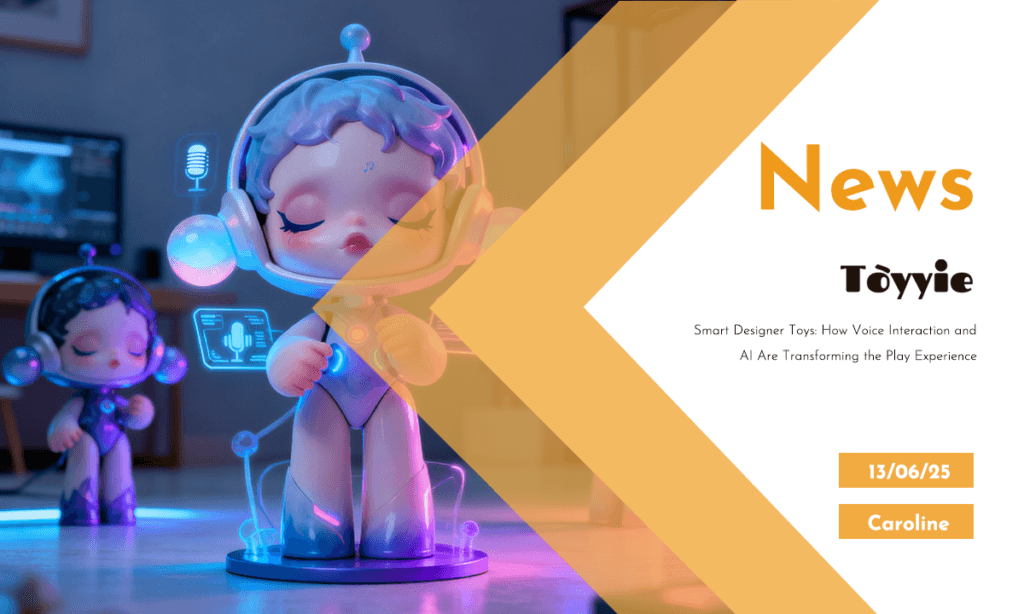
A few years ago, when people talked about designer toys, the focus was mostly on craftsmanship, aesthetics, and collectible value. But today, a new wave is reshaping the landscape: **smart designer toys**.
With the rise of voice interaction, AI features, and sensor technologies, designer toys are evolving—not just to be admired on a shelf, but to create **dynamic, living experiences**. 🌟
As someone who’s been immersed in the world of collectible art toys for years, I find this evolution both fascinating and inspiring. It’s not about replacing traditional craftsmanship; it’s about enhancing it, adding new layers of meaning and emotional connection.
Beyond Static Beauty: Toys That Talk, React, and Learn 🗣️
Traditional art toys often speak silently through design. Smart toys, on the other hand, **literally speak back**.
Take **voice interaction**: it’s no longer science fiction to have a limited-edition art toy respond to simple commands. Some designer toys now recognize key phrases, play curated music, or react to their environment by changing lights or sounds. 🎶
One standout example is **”Hello Guggimon”** by Superplastic. This collectible blends the physical and digital worlds, showing just how far voice and AI elements can stretch the traditional idea of a “toy.”
AI Personalization: Every Figure Becomes Unique 🎨
Imagine a collectible figure that **learns** your preferences—your favorite songs, your daily habits—and subtly adapts to you.
That’s the frontier AI is opening up.
Some brands are experimenting with simple **machine learning**: toys that “know” when to light up, when to play sounds, or even when to stay quiet. While still emerging, this technology hints at a thrilling possibility: **no two collector experiences will ever be exactly alike**.
Playful New Features: Sensors, Haptics, and AR 🕹️
Besides voice and AI, smart toys today often feature:
– **Motion Sensors**: React when touched or moved.
– **Haptic Feedback**: Gentle vibrations for richer interaction.
– **Augmented Reality (AR)**: Unlock hidden digital content through your phone. 📱
These features open up **multi-dimensional storytelling**. A small figure might reveal an entire digital cityscape or “breathe” softly when you enter the room.
**The story no longer stops at the surface.**
Challenges: Cost, Complexity, and Staying True to the Brand 💡
Let’s be real: adding smart features isn’t simple. It **raises production costs** and increases technical complexity.
For smaller brands especially, the key questions become:
– **Is the tech genuinely enriching the experience?**
– **Does it fit the brand identity without feeling forced?**
– **Is it still collectible, or does it feel like just another gadget?**
Starting small—perhaps with simple light or sound interactivity—is often the wisest move. **Technology should serve the art, not overshadow it.**
Personal Reflection: Why Smart Toys Are Worth Exploring ❤️
As a lifelong collector, I can say: smart designer toys **don’t replace** traditional craftsmanship—they **expand it**.
When done thoughtfully, they offer a deeper emotional connection. They invite interaction, creating new rituals between owner and toy.
A simple voice greeting when you enter the room can make a figure feel like a dear friend waiting for you.
If you’re a designer or brand stepping into smart toys, remember:
**Focus on emotional storytelling first. The tech should just amplify it.** 🎯
Conclusion 🌍
Smart designer toys are about **adding dimensions**, not taking away tradition.
Voice interaction, AI personalization, sensor technology, and AR are transforming how we engage with collectibles—making them more vibrant, emotional, and unforgettable.
Today, we have more ways than ever to **tell stories**—not just with shapes and colors, but with voice, interaction, and feeling.
And for collectors?
The future is more magical than ever. ✨
The next chapter of designer toys has already begun.
**Are you ready to create something that truly lives?**