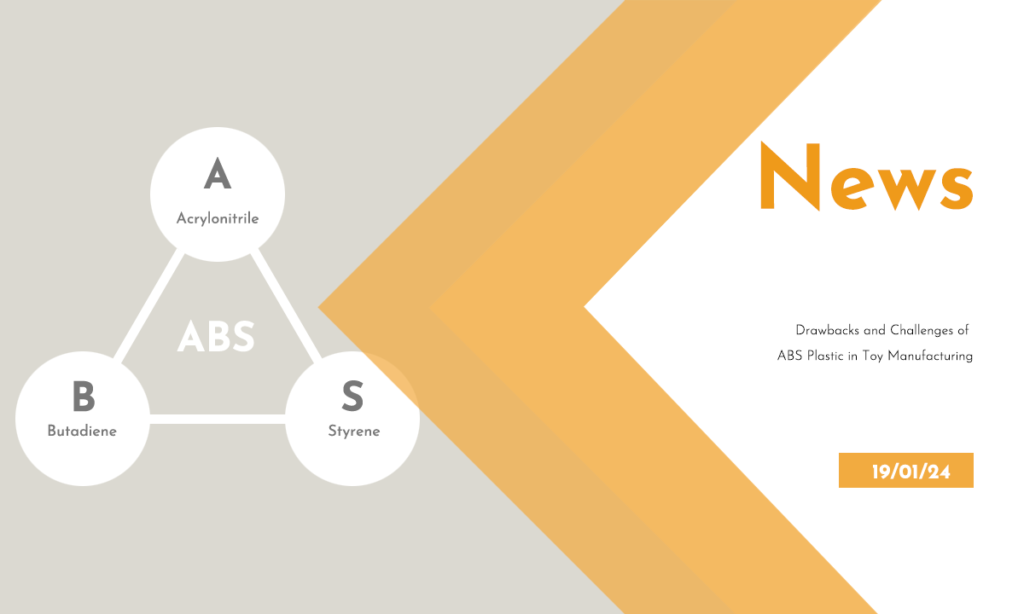
⚙️ Technical Limitations of ABS in Toy Manufacturing: ABS plastic presents low thermal resistance, chemical susceptibility, and environmental challenges that impact durability and sustainability in toy applications.
As a leading OEM/ODM in premium toy manufacturing, TOYYIE rigorously evaluates material properties to optimize product performance. Understanding the intrinsic limitations of ABS plastic is essential to enhancing toy durability, user safety, and environmental compliance.
Challenges of ABS Plastic in Toy Manufacturing ⚠️
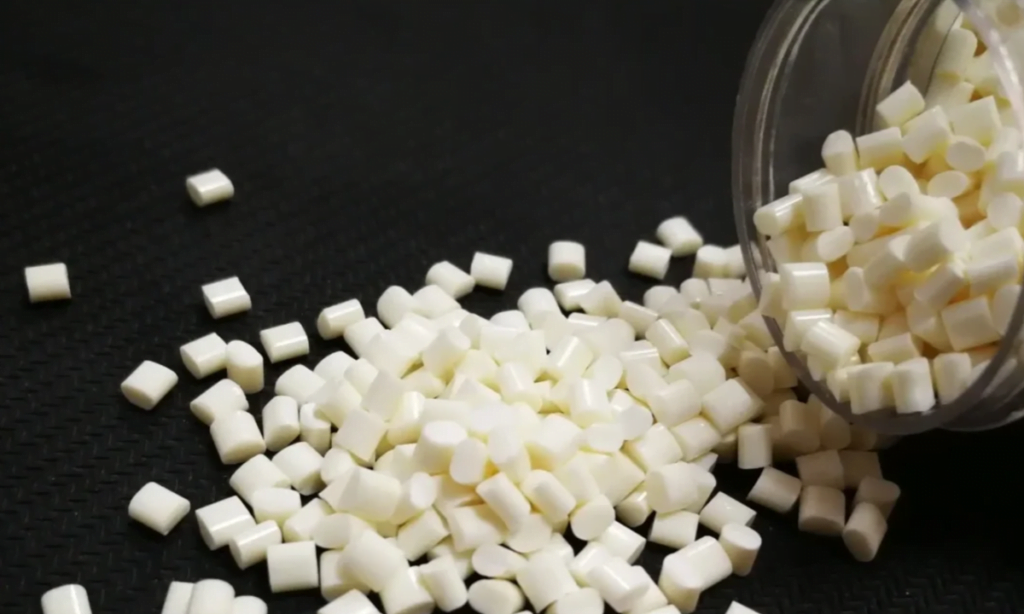
Fig 1: Durability considerations of ABS plastic in toy manufacturing
| Property | ABS Plastic | Comparison (PC/PP) | Comments |
|---|---|---|---|
| Melting Point (°C) | 105-115 | PC: 155-160 / PP: 160-170 | Limits high-temp toy applications |
| Fatigue Resistance | Moderate | PC: High / PP: Moderate | Fatigue under cyclic stress reduces lifespan |
| Chemical Resistance | Low to moderate | PC: Moderate / PP: High | Vulnerable to solvents and greases |
| Thermal Decomposition Gases | Styrene, Acrylonitrile vapors | Lower emissions in PC/PP | Requires ventilation and PPE |
| UV Weather Resistance | Poor | PC: Good / PP: Moderate | Rapid degradation outdoors |
| Environmental Degradability | Non-biodegradable | Biodegradable alternatives exist | Environmental pollution risk |
| Density (g/cm³) | 1.04 | PC: 1.20 / PP: 0.90 | Affects weight and feel of toys |
| Compliance Standards | Meets ASTM D256, EN71 (with additives) | Similar | Additional testing for toxicity required |
Thermal Limitations and Processing Considerations
ABS plastic’s low melting point (105-115°C) restricts its use in applications involving elevated temperatures, such as hot-filling or sterilization above 160°C. During thermal processing, ABS emits styrene and acrylonitrile vapors, necessitating stringent industrial hygiene protocols including adequate ventilation and personal protective equipment (PPE) to safeguard worker health.
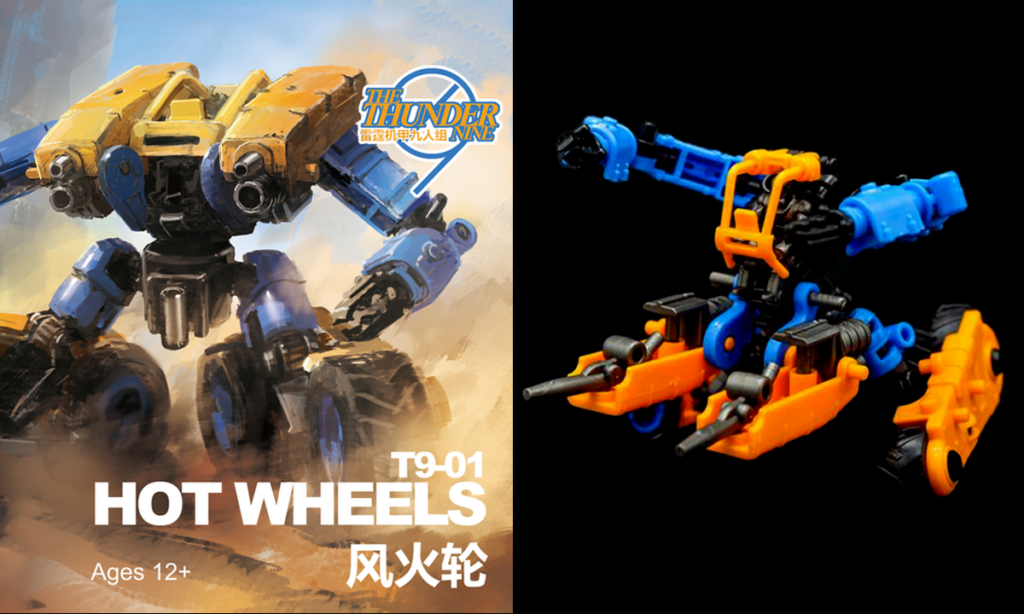
Fig 2: Temperature sensitivity of ABS plastic impacting toy applications
TOYYIE Insight: TOYYIE’s proprietary ABS formulations achieve compliance with EN71-3 heavy metal migration standards, ensuring consumer safety while maintaining mechanical performance suitable for collectible and action figure production.
Chemical and Mechanical Fatigue Vulnerabilities
ABS exhibits limited chemical resistance to solvents, oils, and greases commonly encountered in play environments, which can degrade surface integrity and cause discoloration. Its moderate fatigue resistance under repetitive mechanical stress can lead to micro-cracking and eventual material failure, impacting the longevity of action figures and collectibles.
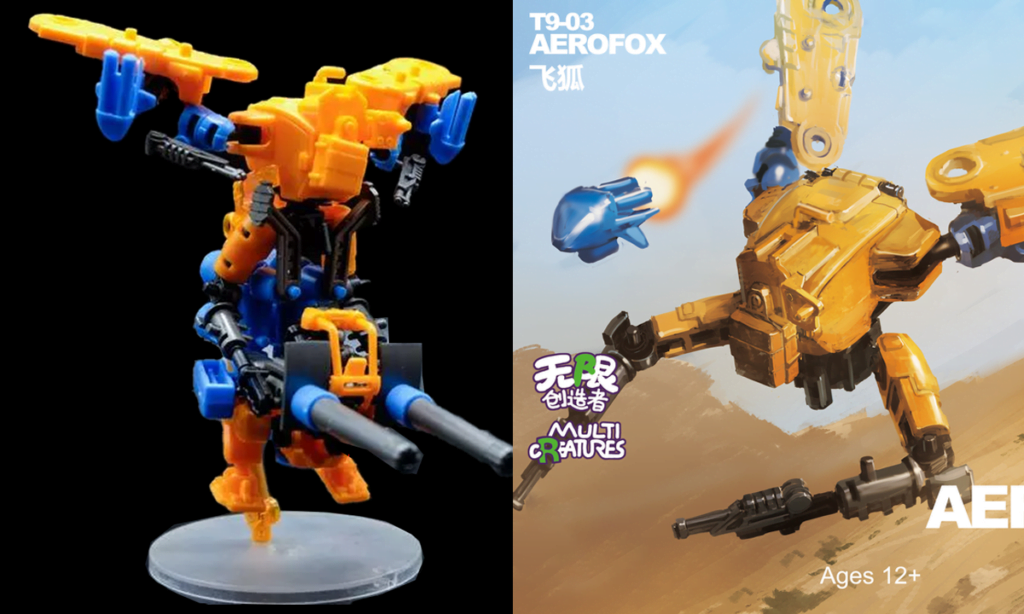
Fig 3: ABS susceptibility to solvents and greases in toy environments
TOYYIE Insight: In thermal processing, ABS emission levels of styrene can reach up to 20 ppm without ventilation; TOYYIE employs industrial extraction systems to reduce exposure below OSHA permissible exposure limits (PEL).
Environmental Impact and Sustainability Challenges
As a non-biodegradable thermoplastic, ABS contributes to persistent environmental pollution when discarded improperly. Toy manufacturers should evaluate integrating recycled ABS content or transitioning towards biodegradable polymer alternatives to align with evolving global environmental regulations and consumer eco-consciousness.
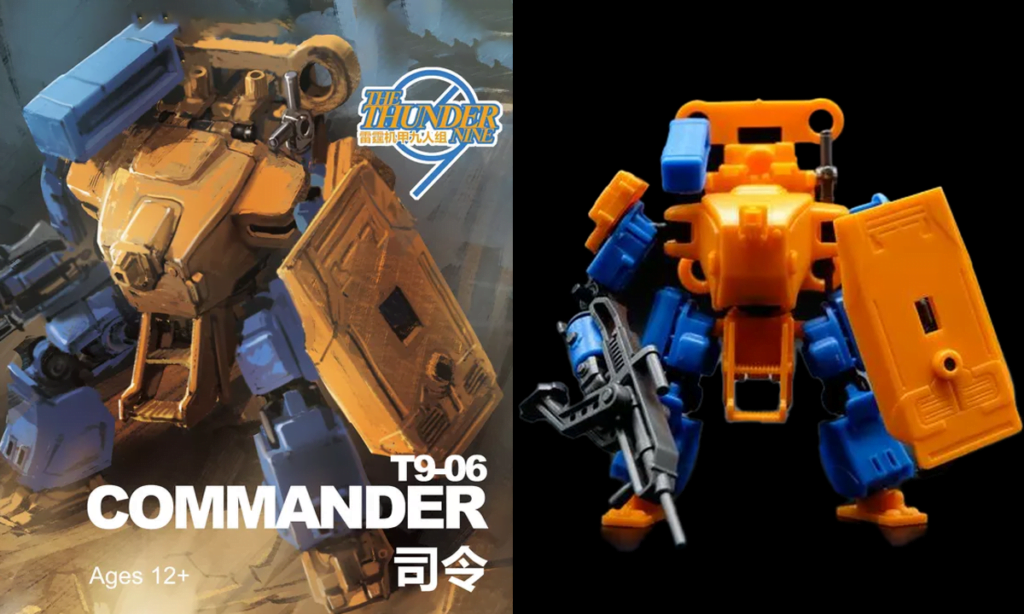
Fig 4: Emission of harmful gases during ABS thermal molding processes
Weathering and Outdoor Durability Constraints
Prolonged exposure to UV radiation and moisture accelerates the degradation of ABS molecular chains, resulting in embrittlement and color fading. For outdoor toys, TOYYIE recommends employing UV stabilizers or alternative weather-resistant polymers such as polycarbonate (PC) or polypropylene (PP) to enhance product lifespan.
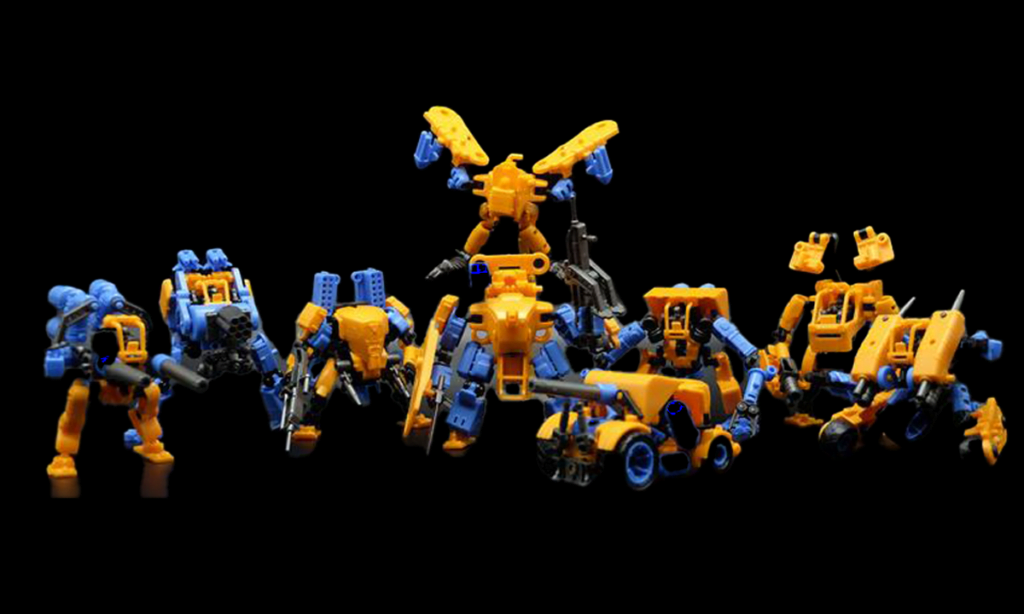
Fig 5: Non-biodegradability and environmental persistence of ABS plastic
Design for Manufacturability (DFM) Strategies
To mitigate ABS’s inherent limitations, TOYYIE applies advanced material compounding and additive integration to improve thermal resistance and chemical stability. Optimized molding parameters reduce internal stresses, enhancing fatigue performance and dimensional stability in toy components.
TOYYIE Capabilities in Advanced Toy Material Engineering
- Material Optimization: Custom ABS blends with enhanced UV and chemical resistance
- Compliance Assurance: Full adherence to ASTM, EN71, and ISO safety standards
- Innovative Manufacturing: Precision injection molding with controlled thermal profiles
- Sustainability Focus: Integration of recycled content and biodegradable alternatives
- R&D Expertise: Continuous development of high-performance polymers for diverse toy applications
TOYYIE — Elevating Toy Manufacturing Standards
Partner with TOYYIE for cutting-edge material solutions that balance performance, safety, and sustainability in premium toys.
Explore Our Capabilities →