📌 Introduction📌
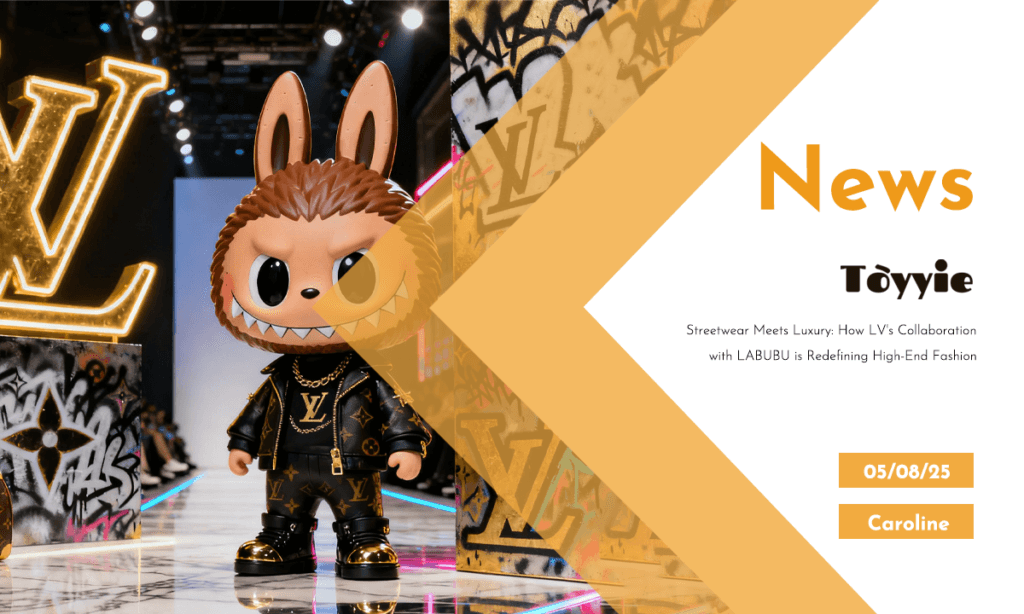
In the world of art toys and street culture, collaborations between luxury brands and iconic characters have become more than just a trend—they’re redefining what it means to be “luxury.” The recent partnership between Louis Vuitton (LV) and KAWS’ LABUBU character is a prime example of this exciting fusion. But beyond the hype, there’s a deeper story about **brand extension, consumer engagement, and market expansion**.
Let’s dive into how these collaborations work, why they create such buzz, and what independent toy designers can learn from them.
🎨 From Street Art to Runway: The Rise of Collaborative Culture
Collaborations between high-end fashion houses and streetwear or art toy brands are nothing new—but they’ve never been as impactful as they are today. Brands like Supreme, Off-White, and now even smaller names like MEDICOM TOY (the creators of BE@RBRICK) have all partnered with luxury giants to create limited-edition pieces that blend the best of both worlds.
The Power of Limited Editions
One of the key drivers behind these collaborations is **scarcity**. By producing limited quantities, brands create a sense of urgency among collectors and fans. This scarcity not only drives up demand but also increases the perceived value of each piece.
**Example**: When LV collaborated with Virgil Abloh on a series of sneakers, the limited release led to massive resale prices—sometimes reaching over 10x the retail cost.
📌 **Designer Tip**: If you’re considering a collaboration, think carefully about how many units you’ll produce. Too many, and you risk diluting the brand’s exclusivity; too few, and you might miss out on potential sales.
💼 Why Luxury Brands Are Embracing Street Culture
For decades, luxury brands were seen as symbols of status and tradition—often disconnected from the edgy, rebellious energy of street culture. But that’s changing. Today, brands like LV are actively seeking partnerships with artists and designers who embody the spirit of rebellion and innovation.
Appealing to a New Generation
Gen Z and Millennials are less interested in traditional luxury items and more drawn to brands that reflect their values—like sustainability, creativity, and individuality. Collaborating with streetwear icons allows luxury brands to tap into these younger demographics without losing their core identity.
**Case Study**: LV’s collaboration with Virgil Abloh wasn’t just about selling clothes—it was about connecting with a new audience. His designs brought a fresh perspective to LV’s classic aesthetic, attracting both longtime fans and newcomers alike.
📌 **Personal Experience**: In one of our projects, we worked with a small streetwear brand to create a limited-edition toy line. The key to success was finding a balance between the brand’s established style and the playful, irreverent nature of street culture. We ended up creating something that felt both exclusive and accessible—a winning combination.
🤝 The LABUBU x LV Collaboration: A Match Made in Heaven?
When LV announced its collaboration with KAWS’ LABUBU character, it sent shockwaves through both the fashion and art toy communities. For those unfamiliar, LABUBU is a quirky, monster-like figure created by KAWS—a renowned artist known for his bold, often subversive work.
Why LABUBU?
KAWS has already proven his ability to bridge the gap between street art and high fashion. His previous collaborations with UNIQLO, Dior, and others have shown that he can bring an edge to any project while still maintaining a level of sophistication.
**Impact**: The LV x LABUBU collaboration wasn’t just about putting a cute monster on a bag—it was about bringing the rebellious, DIY ethos of street culture into the heart of luxury fashion.
What It Means for Collectors
For collectors, this collaboration represents a rare opportunity to own a piece of both worlds. On one hand, you have the prestige of LV; on the other, the cool factor of LABUBU.
**Resale Value**: Given the limited production run, these items are likely to fetch high prices on the secondary market—making them attractive investments for serious collectors.
📌 **Designer Tip**: When collaborating with a luxury brand, focus on creating something that feels authentic to both parties. Avoid simply slapping logos onto existing designs; instead, aim for a true synthesis of styles.
💰 The Premium Logic Behind These Collaborations
So, why do these collaborations command such high premiums? There are several factors at play:
Exclusivity
As mentioned earlier, limited editions create scarcity—and scarcity drives demand. When consumers know they can’t easily obtain a product, they’re willing to pay more for it.
Brand Credibility
Both parties benefit from the association. For LV, partnering with KAWS adds an element of coolness and relevance to their brand. For KAWS, working with LV elevates his status even further, giving him access to a global audience.
Cultural Significance
These collaborations often resonate deeply with specific cultural movements. Whether it’s streetwear, hip-hop, or skate culture, tapping into these trends helps brands stay relevant and connected to their target audiences.
📊 Breaking Down Consumer Demographics
Understanding the different consumer groups that engage with these collaborations is crucial for success. Here’s a breakdown of the main demographics:
Luxury Loyalists
These are long-time fans of LV who may not typically follow streetwear or art toys but are intrigued by the novelty of the collaboration. They’re willing to pay a premium for anything with the LV logo.
Streetwear Enthusiasts
This group is primarily interested in the streetwear aspect of the collaboration. They may not care much about LV, but they’re big fans of KAWS and LABUBU. For them, owning a piece of this collaboration is about being part of a cultural moment.
Art Toy Collectors
Finally, there’s the dedicated community of art toy collectors who see these collaborations as opportunities to add unique pieces to their collections. They’re often willing to pay top dollar for rare items.
🛍️ Practical Tips for Independent Toy Designers
If you’re an independent designer looking to break into the luxury space—or even just interested in exploring collaborations—here are some practical tips based on my experience:
Start Small
Before approaching a major brand, try collaborating with smaller, niche labels. This will help you build credibility and refine your process.
Know Your Audience
Understand who your target market is and what resonates with them. If you’re aiming for a luxury crossover, make sure your designs align with the brand’s aesthetic and values.
Quality Over Quantity
Focus on creating high-quality, limited-edition pieces rather than mass-producing items. Scarcity is key to driving demand.
Leverage Social Media
Use platforms like Instagram and TikTok to showcase your work and build anticipation around your collaboration. Engaging directly with your audience can help generate buzz before the official launch.
🌟 Final Thoughts: The Future of Luxury and Street Culture
The LV x LABUBU collaboration is just one example of how luxury brands are embracing street culture—and how street culture is influencing luxury. As these two worlds continue to merge, we can expect to see even more innovative collaborations that push boundaries and redefine what it means to be “premium.”
For independent toy designers, this presents an incredible opportunity to break into new markets and reach audiences you might not have considered before. By understanding the dynamics of these collaborations and staying true to your creative vision, you can carve out a unique space in this exciting intersection of art, fashion, and collectibles.
So next time you sketch a new design, ask yourself:
“Could this fit into a luxury collection?”
Because sometimes, the most unexpected pairings lead to the greatest innovations.
Have questions about collaborating with luxury brands or want advice on your next design? Leave a comment below—we love helping creators explore new possibilities!