📌 Introduction 📌
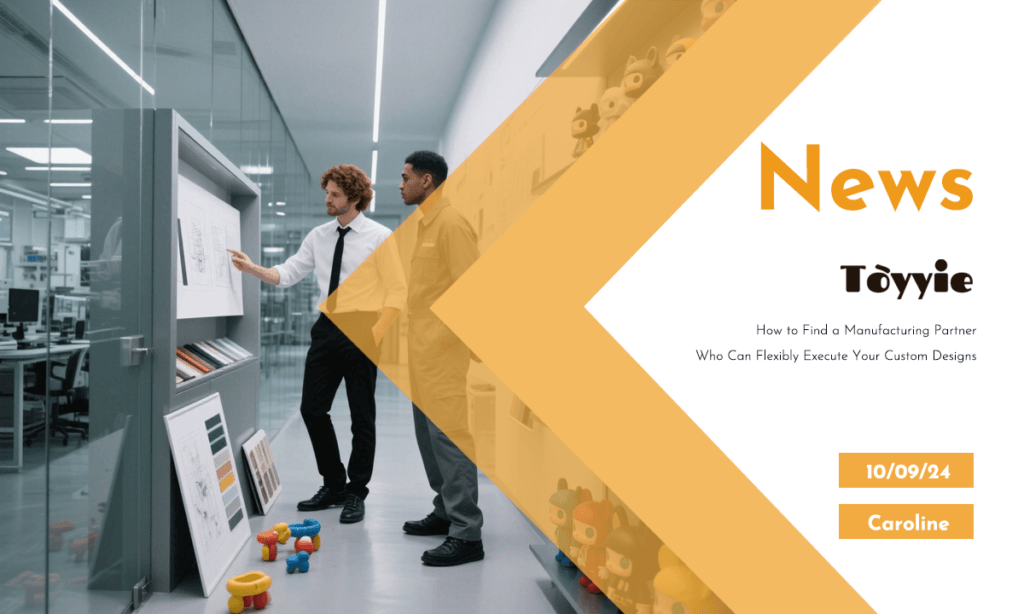
In custom toy manufacturing, partnering with a manufacturer who embraces flexibility is essential. Flexibility means more than just advanced tools—it’s a collaborative mindset, prioritizing innovation and understanding your creative vision. Without this, designers risk compromised quality and creativity.
This guide outlines the key factors to identify a manufacturing partner who can adapt to your unique design needs, helping you bring your custom toy concepts to life flawlessly.
Understanding Flexibility in Manufacturing 🔧
Manufacturing flexibility is the ability to adapt processes to accommodate intricate details, multiple materials, or unconventional shapes required by custom toy designs. It involves tailoring production to meet specific quality, cost, and timeline goals without compromising the design’s integrity.
Flexible manufacturers experiment with new materials, adjust machinery, and innovate production methods to faithfully render your custom designs. Conversely, rigid mass-production factories lack this adaptability, often leading to design compromises and dissatisfaction.
Identifying a Flexible Manufacturing Partner 🕵️♂️
To select a manufacturing partner who matches your need for flexibility, evaluate them across these critical factors:
1. Track Record and Experience 📜
Seek manufacturers with proven experience in custom toy projects. Their portfolio should showcase handling complex designs and unique challenges successfully. Understand how they overcame obstacles and delivered results that met clients’ customization needs.
2. Willingness to Collaborate 🤝
True flexibility requires active collaboration. Your partner should engage from concept to completion, listening carefully, offering feedback, and adapting as needed. This partnership mindset increases innovation and supports seamless project execution.
3. Customization Capabilities 🛠️
Assess their technology and equipment adaptability. Can they adjust mold designs, integrate varied materials, or apply specialized finishing techniques? A flexible partner embraces production process customization to meet your design specifics.
4. Innovation and Problem-Solving 🚀
Flexibility thrives on innovation. Look for a partner who proactively addresses challenges with creative solutions, ventures into new materials, and is not limited by traditional methods. Their problem-solving attitude ensures your project stays on track even with unforeseen changes.
5. Communication and Transparency 💬
Consistent, clear communication is essential. Your partner should provide transparent updates, openly discuss capabilities and constraints, and alert you to potential issues early. This transparency builds trust and prevents surprises during production.
6. Quality Assurance 🧐
Flexibility must not compromise quality. Confirm their quality control processes are rigorous and adaptable to custom projects. They should maintain high standards regardless of design complexity to deliver products that meet or exceed your expectations.
Challenges in Achieving Flexibility ⚠️
Custom manufacturing flexibility requires additional time, resources, and communication compared to standard runs, which can increase costs and extend lead times. However, working closely with a responsive manufacturer that sets clear expectations and maintains open dialogue can effectively mitigate these challenges, ensuring successful project delivery.
Real-World Examples of Flexibility in Action 🌟
Example 1: Adapting to Complex Mold Designs 🧩
A designer required capturing intricate character details impossible with standard molds. We collaborated to develop a custom mold through iterative testing and adjustments. The end product perfectly reflected the design, delivering client satisfaction and product excellence.
Example 2: Experimenting with New Materials 🌱
We partnered with a designer who introduced an innovative biodegradable material. Despite challenges with durability and finish, our joint effort refined processing techniques, resulting in a successful eco-friendly toy line that aligned with sustainability goals.
Example 3: Adjusting Production Processes for Customization 🎨
For a client needing varied color schemes and finishes tailored to different markets, we established a flexible production line facilitating quick shifts without sacrificing efficiency. This adaptability expanded the client’s market reach cost-effectively.
Conclusion: Finding the Right Partner 🤝
Choosing a manufacturing partner who embodies flexibility is vital for bringing custom toy designs to life without compromise. Evaluate their experience, collaborative spirit, technical customization ability, innovative mindset, communication transparency, and unwavering commitment to quality.
At TOYYIE, we specialize in custom designer toys with a focus on flexibility and partnership. From complex designs to unique materials, we empower creators to realize their vision with precision and passion.
Ready to transform your ideas into extraordinary toys? Let’s work together to break boundaries and make your custom designs a reality.
Ready to Bring Your Vision to Life?
Contact TOYYIE today for expert toy manufacturing support.