🧸 Doll vs Action Figure: Technical Overview: This article provides a detailed comparison of design specifications, articulation mechanisms, and market positioning between dolls and action figures, emphasizing their distinct manufacturing and collectible attributes.
At TOYYIE, a leading OEM/ODM in premium toy manufacturing, understanding the nuanced differences between dolls and action figures is essential for product development. This article explores their technical design, articulation, and target demographics to optimize production and market fit.
Technical Distinctions Between Dolls and Action Figures 🛠️
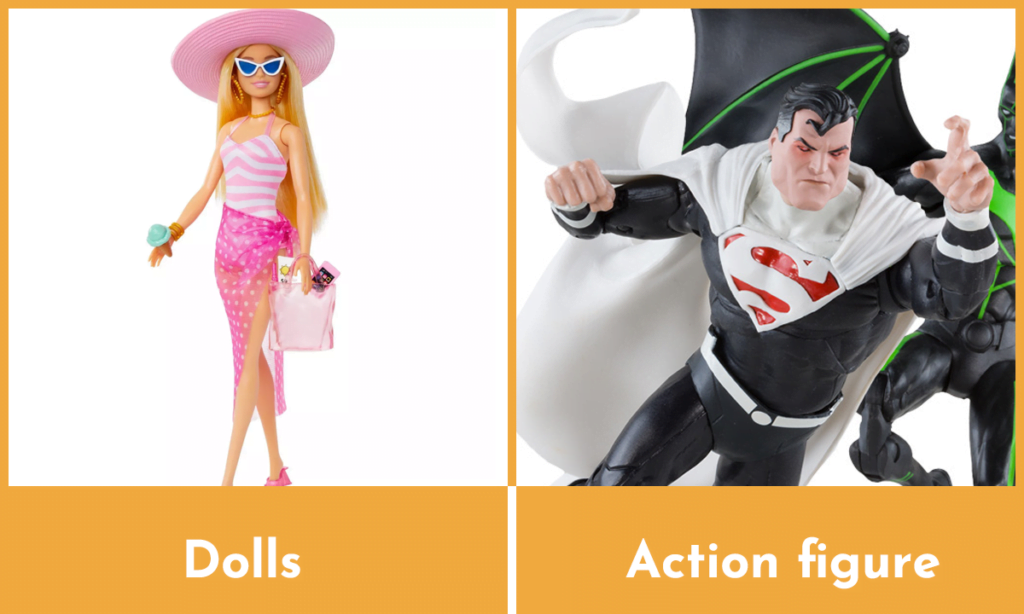
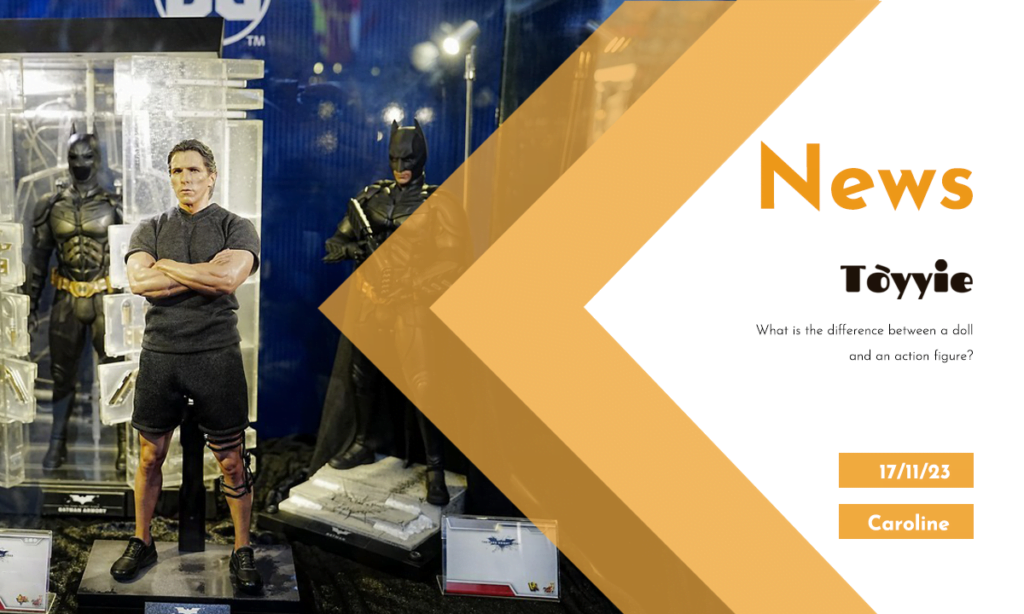
Fig 1: Visual differentiation between dolls and action figures based on design.
| Feature | Dolls | Action Figures | Industry Standards |
|---|---|---|---|
| Design Focus | Realistic humanoid features, detailed hair and clothing | Stylized characters with exaggerated costumes and accessories | ISO 8124, EN71 for material safety |
| Articulation Points | Limited (typically neck, shoulders) | Extensive (neck, shoulders, elbows, wrists, hips, knees) | ASTM F963 joint durability tests |
| Material Composition | Soft PVC, vinyl, fabric elements | Harder PVC, ABS plastic with metallic joints | RoHS compliant materials |
| Target Age Group | 3+ years, often younger children | 5+ years, including adult collectors | CPSIA compliance for lead and phthalates |
| Purpose | Role-playing, nurturing scenarios | Action play, dynamic posing, storytelling | EN71-3 chemical properties testing |
| Collectibility | Moderate, focused on fashion dolls | High, often limited editions with articulation | ISO 8124-6 for toy packaging safety |
| Production Complexity | Moderate mold complexity, fabric integration | High due to multi-part joints and paint details | ISO 9001 quality management standard |
| Packaging | Open or window box for tactile experience | Blister or carded packaging for display | ISO 14021 environmental labeling standards |
Design and Material Engineering
The design engineering of dolls prioritizes lifelike aesthetics using soft vinyl and intricate hair rooting techniques, whereas action figures utilize rigid ABS plastics and complex paint applications to emphasize character themes. Material selection adheres to EN71 and ASTM F963 standards to ensure safety and durability.

Fig 2: Multi-jointed articulation enabling dynamic posing in action figures.
TOYYIE Insight: TOYYIE’s manufacturing process achieves up to 14 points of articulation in action figures, surpassing typical industry averages of 8-12 joints, enabling superior poseability compliant with ASTM F963 durability standards.
Articulation and Mechanical Functionality
Action figures incorporate advanced multi-axis articulation with precision-engineered joints at elbows, knees, and wrists, enabling dynamic posing. Dolls generally feature simpler limb movement, optimizing for role-play rather than mechanical complexity, impacting injection mold design and assembly.
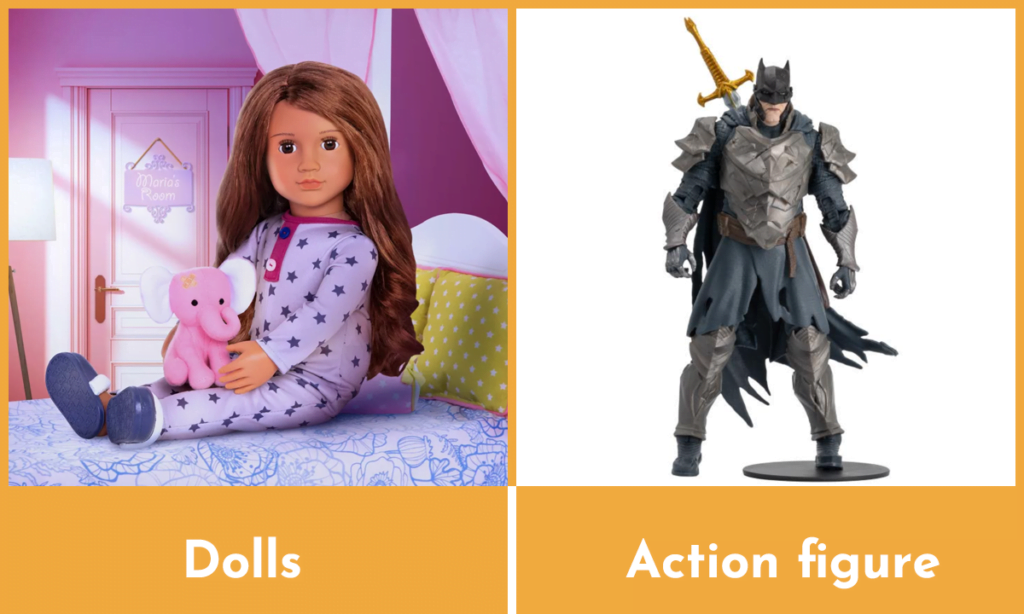
Fig 3: Packaging and display considerations for collectors.
TOYYIE Insight: Material formulations at TOYYIE comply with EN71-3 heavy metal limits, ensuring all doll and action figure components meet international safety thresholds for children’s toys.
Target Market and Usage Scenarios
Dolls cater primarily to younger demographics focusing on nurturing and imaginative play, whereas action figures target a broader age range including collectors, necessitating higher durability and detailed sculpting. This influences production runs and quality control parameters at TOYYIE.
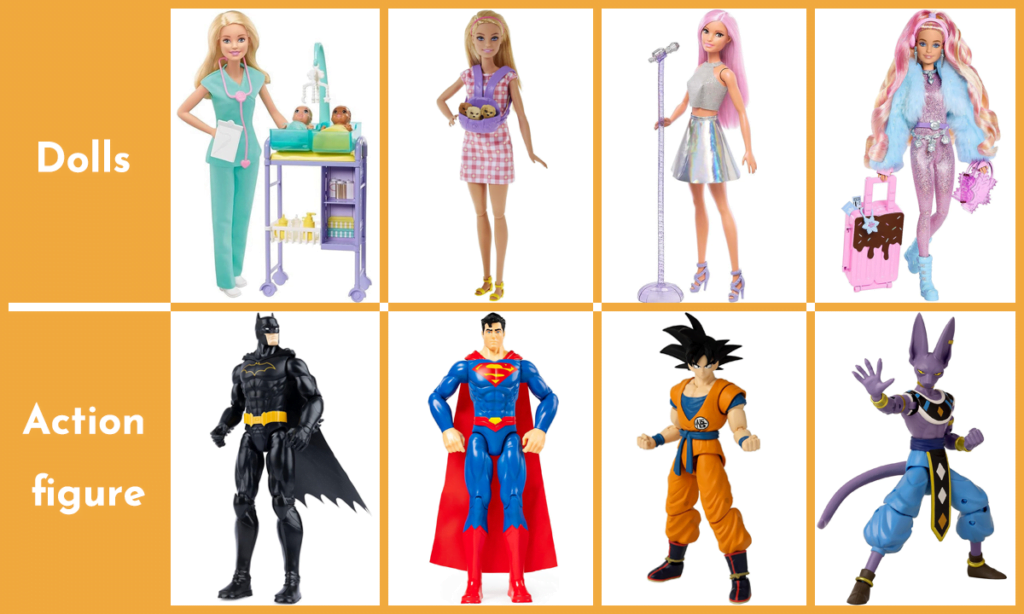
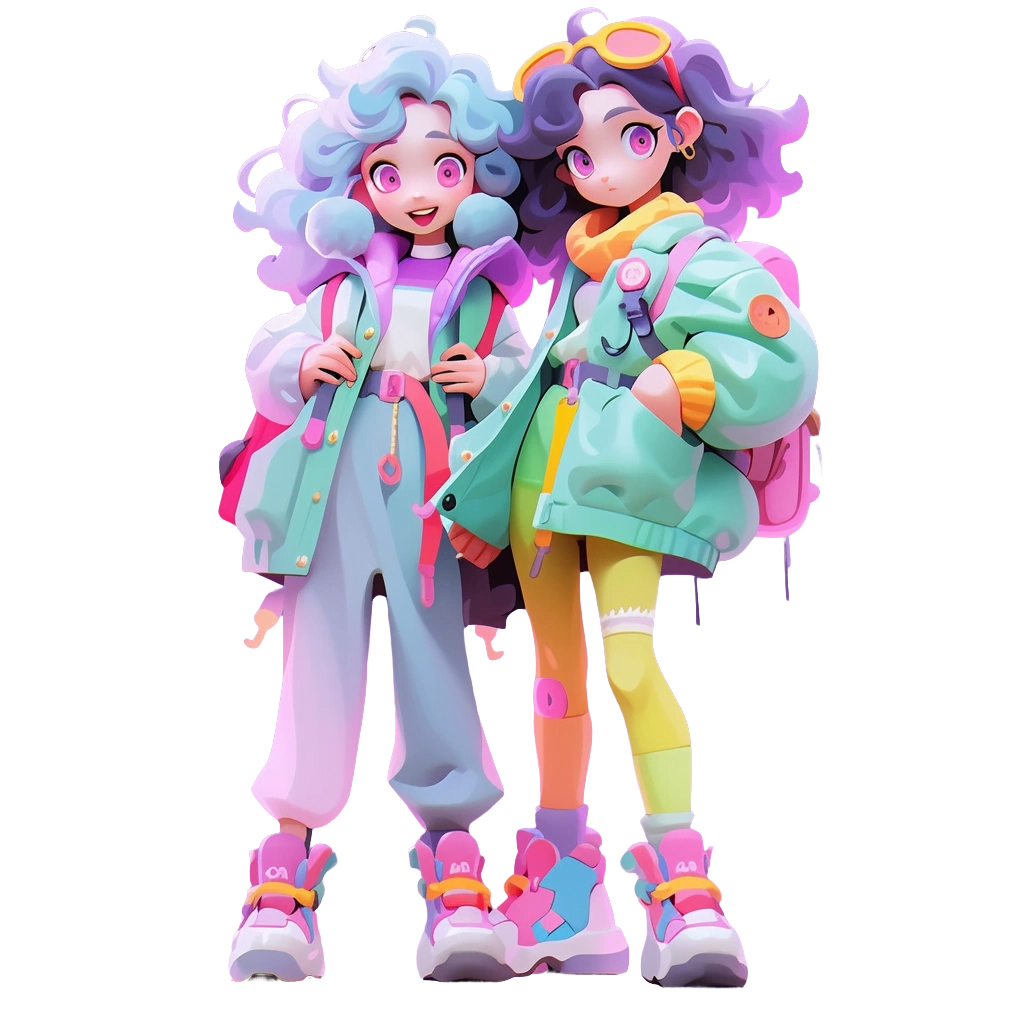
Fig 4: Example of hybrid product design integrating doll aesthetics with action figure articulation.
Collectibility and Packaging Innovations
Action figures frequently incorporate collector-grade packaging and limited edition runs, demanding stringent quality assurance and anti-counterfeit measures. Dolls generally prioritize tactile packaging that facilitates playability and sensory interaction.
Hybrid Models and Emerging Trends
Recent toy lines have blurred traditional boundaries by combining doll-like aesthetics with action figure articulation and accessories. TOYYIE employs modular design principles to accommodate these hybrids while adhering to ISO and ASTM compliance.
TOYYIE’s Manufacturing Capabilities and Innovations
- Advanced Molding: Precision injection molding for complex multi-joint assemblies.
- Material Expertise: Compliance with RoHS, CPSIA, EN71, and ASTM safety standards.
- Surface Finishing: High-definition paint applications and fabric integrations.
- Custom Articulation Solutions: Engineering bespoke joint systems for dynamic play.
- Quality Control: ISO 9001 certified manufacturing with rigorous testing protocols.
TOYYIE — Your Partner in Premium Toy Manufacturing
Leverage TOYYIE’s expertise in producing technically advanced, compliant dolls and action figures tailored to your market needs.
Contact Us for Custom Solutions →