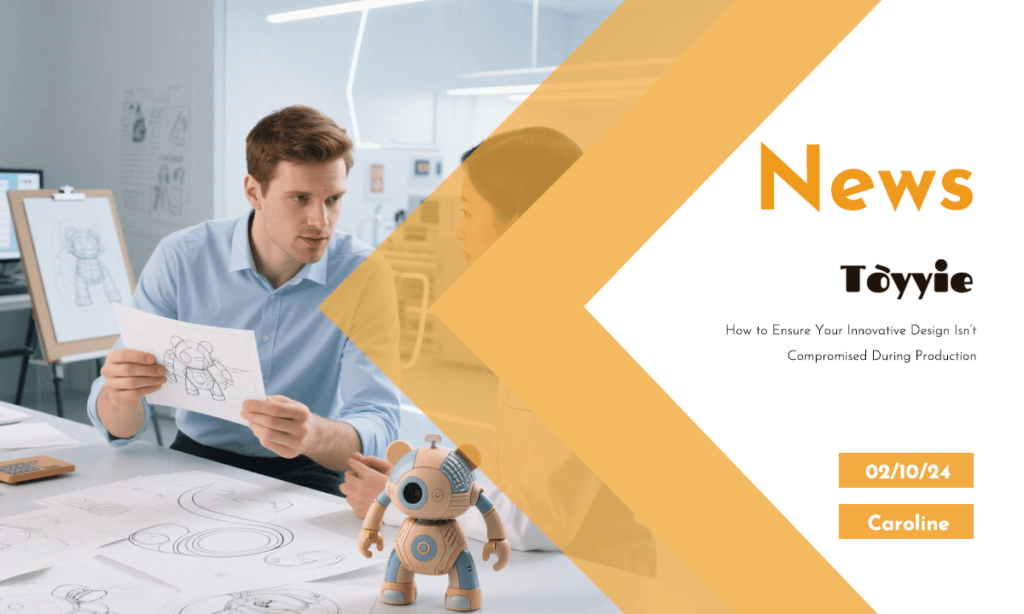
🚀 How to Ensure Your Innovative Design Isn’t Compromised During Production 🛡️
📌 Introduction
As a toy designer, seeing your creative vision transform into a tangible product is deeply rewarding. However, the transition from concept to production often presents challenges, with one of the biggest frustrations being the simplification or compromise of your design during manufacturing. With decades of industry experience, I’ve witnessed many original designs diluted, losing the unique elements that define them. This guide reveals how proper planning, communication, and determination can preserve your design’s integrity throughout production.
Understanding Why Designs Get Compromised 🤔
To effectively protect your design, it’s essential to first understand common reasons why compromises happen during production. Often, these changes aren’t intentional but stem from inherent manufacturing challenges, such as:
- Cost Constraints 💰: High expenses for certain materials or intricate features can prompt manufacturers to simplify or substitute elements to meet budget targets, affecting your design’s originality.
- Technical Limitations 🛠️: Some designs may be too complex for current manufacturing processes, including details too fine to mold or materials incompatible with large-scale production.
- Time Pressures ⏰: Tight deadlines can lead to design simplifications to accelerate production, especially if earlier phases experience delays.
- Communication Gaps 🗣️: Misunderstandings between you and the manufacturer about critical design elements can cause unintentional alterations or omissions.
Setting Clear Priorities from the Start 🎯
Set explicit priorities and expectations before production begins. Clearly communicate the non-negotiable aspects of your design to your manufacturing partner to ensure alignment.
1. Identify Your Non-Negotiables 🚫
Define the core design features that must remain unchanged, such as specific materials, shapes, or intricate details. Make sure your manufacturer understands why these elements are crucial to the product’s identity.
2. Be Transparent About Your Vision 🌟
Share the story behind your design—its inspiration, target audience, and the value each feature adds. This context helps manufacturers appreciate the importance of preserving these elements.
3. Prioritize Communication 🗨️
Establish open, ongoing communication channels. Regular updates, detailed documentation, and clear visuals reduce misunderstandings. Meet in person or virtually to foster a deeper understanding of your vision.
Collaborating with Your Manufacturer 🤝
Approach your manufacturer as a partner to overcome challenges collaboratively, not just as a service provider executing orders.
1. Involve Them Early ⏳
Integrate your manufacturer early in the design phase. Their expertise can forecast production issues and suggest feasible adjustments that maintain design integrity.
2. Ask for Input 💡
Solicit suggestions on materials or processes that achieve your goals more efficiently. Manufacturers often propose innovative ideas that preserve your concept while reducing costs or technical hurdles.
3. Prototype Wisely 🛠️
Invest in high-fidelity prototypes that accurately represent your final design, materials, and manufacturing processes. Detailed prototypes serve as definitive references and help detect potential issues early.
4. Negotiate, Don’t Settle ⚖️
If proposed changes threaten your design’s integrity, negotiate alternatives. Understand the rationale behind suggested modifications and seek compromises that uphold your vision without sacrificing feasibility.
Leveraging Technology to Preserve Design Integrity 💻
Use modern technology tools to minimize deviations from your original design during production.
1. 3D Modeling and Printing 🖨️
Create detailed virtual models for clear visualization and use 3D printing to produce precise physical prototypes that guide manufacturers.
2. Digital Collaboration Tools 🌐
Utilize cloud-based CAD software and real-time collaboration platforms to share designs and feedback efficiently, reducing miscommunication risks.
3. Quality Control via Technology 🔍
Implement automated inspections and digital measurement tools to ensure every product meets the exact specifications, minimizing unintended variations.
Standing Firm on Your Vision 💪
Protecting your design requires conviction, especially when facing pressure to cut costs or simplify. Balance assertiveness with flexibility for the best outcome.
1. Advocate for Your Design 🗣️
Clearly communicate the critical nature of specific elements, supported by data and market insights, to justify their importance to manufacturers.
2. Know When to Compromise ⚖️
Some design adjustments may improve the overall product without detracting from its essence. Choose your battles wisely and make informed concessions.
3. Document Every Decision 📝
Maintain detailed records of all design decisions and changes. Documentation enables accountability, aids future reviews, and helps defend your design choices.
Reflecting on the Outcome 🤔
Post-production reflection is vital for continuous improvement.
1. Post-Production Review 🕵️
Compare the final product against the original design to identify compromises and understand how they occurred.
2. Gather Feedback 🗣️
Collect input from customers, colleagues, and your manufacturer to assess the impact of changes on product performance and reception.
3. Continuous Improvement 🔄
Apply lessons learned to enhance communication, technology use, and timeline management. Constant refinement ensures better protection of your designs in future projects.
Final Thoughts 🌟
Preserving your innovative toy design during production may be challenging, but with clear priorities, strong collaboration, technological support, and unwavering commitment, it is achievable. Your creativity is your most valuable asset—protecting it ensures that your designs don’t just become products but memorable experiences that delight your audience and set you apart in the industry.
Ready to Bring Your Vision to Life?
Contact TOYYIE today for expert toy manufacturing support.