The Designer Toy Renaissance: More Than Just Playthings
At Toyyie, with our 17 years of expertise in custom toy manufacturing, we’ve witnessed this transformation firsthand. We believe that while passion is paramount, strategic foresight and a keen understanding of the modern consumer are the true keys to unlocking success in the designer toy market.
1. Decoding the Designer Toy Consumer: The Gen Z & Millennial Mindset
Understanding the psychology of the primary consumer base—predominantly Gen Z and younger Millennials (95后, 00后)—is non-negotiable. These are not passive consumers; they are active participants in culture, seeking products that resonate deeply with their values and aspirations [2].
1.1 Aesthetic Value: The Visual Language of Identity
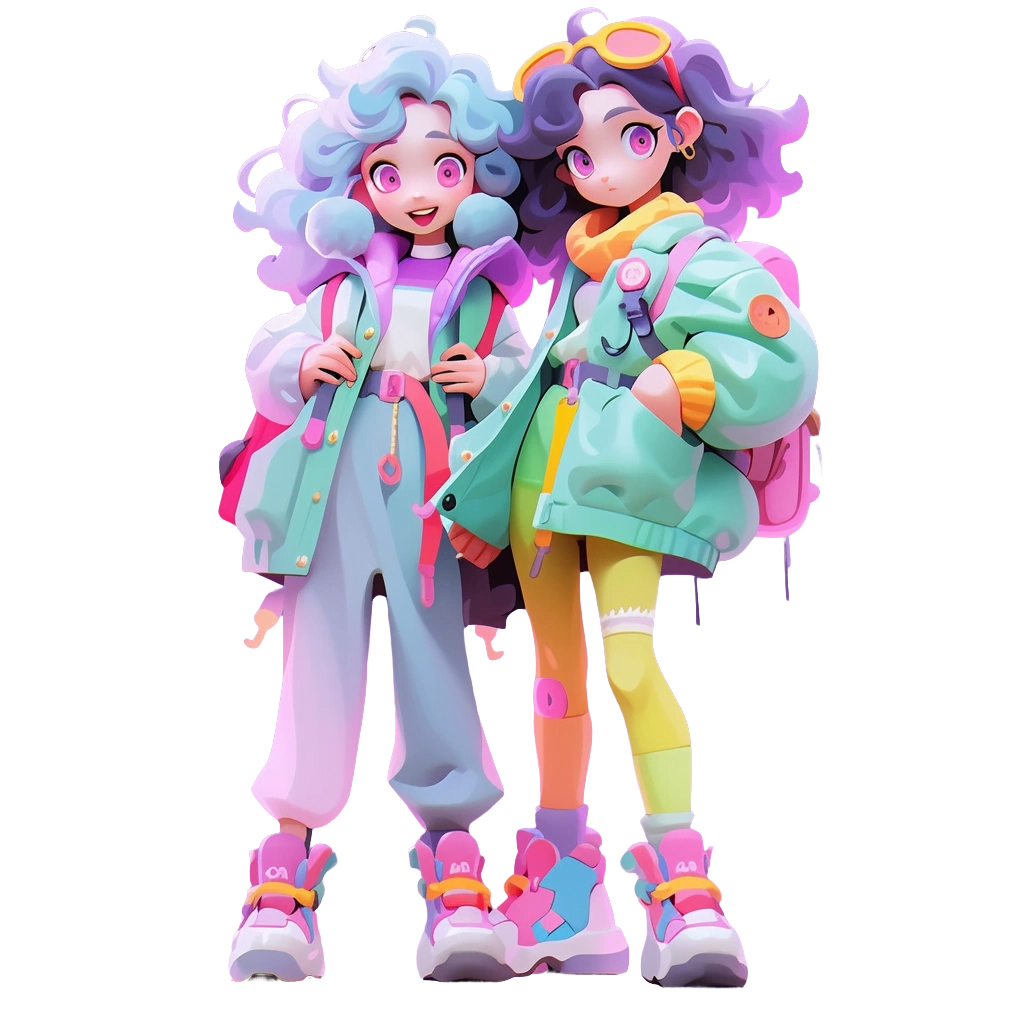
For Gen Z, a designer toy is often an extension of their personal aesthetic. They are highly visually literate, influenced by social media platforms like Instagram and Xiaohongshu. The toy’s design, color palette, and overall visual appeal must be impeccable, reflecting current trends while offering a unique artistic vision. It’s about creating “shelf appeal” and “social currency”—a product that looks good in their curated online feeds and sparks conversation [14].
1.2 Emotional Value: Connecting Beyond the Tangible
Beyond aesthetics, these consumers seek emotional value . Designer toys often tap into nostalgia, provide comfort, or serve as a form of self-care. The rise of plush toys with unique, personality-driven designs, for instance, is directly linked to Gen Z and Millennials seeking emotional connection and well-being [3] [4]. This emotional resonance transforms a simple object into a cherished companion or a meaningful piece of art. Brands that can evoke feelings of joy, comfort, or belonging will capture this market segment.
1.3 Personalized Expression: A Canvas for Individuality
Gen Z values personalized expression . They are drawn to limited editions, collaborations, and products that allow for customization or unique storytelling. A designer toy is not just an item; it’s a statement about who they are, what they believe in, and their place in the world. Brands that offer opportunities for co-creation, or that release products with strong narratives, will resonate deeply with this desire for individuality [2].
2. The Tech-Toy Synergy: Embracing Digital and AI Trends
The designer toy market in 2026 is increasingly intertwined with technology. Brands that are sensitive to digital and AI trends will have a significant competitive edge [5].
2.1 AI in Design and Personalization
AI (Artificial Intelligence) is no longer just a buzzword; it’s an invisible connector in the toy industry [6]. AI can assist in:
- Generative Design: AI algorithms can help artists explore new forms, textures, and color combinations, accelerating the design process.
- Personalized Experiences: AI-powered toys are evolving into emotionally aware, adaptive companions that can learn and communicate, offering screen-free and personalized play experiences [7] [8].
2.2 Phygital and Augmented Reality (AR)
The blurring lines between the physical and digital worlds—often termed “Phygital”—is a major trend. Augmented Reality (AR) is transforming how consumers interact with toys, offering enhanced experiences:
- Interactive Storytelling: AR apps can bring physical toys to life, adding digital layers of storytelling, games, or educational content [9].
- Virtual Collectibles: Some designer toys come with digital twins or NFTs, allowing collectors to own both a physical and a virtual asset, enhancing their value and scarcity.
- Enhanced Unboxing: AR can be integrated into packaging to create dynamic, interactive unboxing experiences, further amplifying the emotional connection [10].
3. Product Definition: Beyond Manufacturing, Towards Experience
Defining your product in the designer toy space goes far beyond its physical attributes. It encompasses the entire journey from discovery to ownership, with packaging playing a pivotal role in the unboxing experience [11].
3.1 Knowing Your Customer and Channel
Before manufacturing, a clear Product Definition requires answering:
- Who is your target customer? (e.g., dedicated collectors, casual enthusiasts, gift-givers)
- What channels will you use for sale? (e.g., online stores, specialty boutiques, conventions, social commerce platforms like Xiaohongshu or TikTok)
- How will your product stand out? (e.g., unique IP, limited editions, collaborations)
This clarity informs design choices, material selection, and pricing strategy.
3.2 Packaging as a Brand Statement
Packaging for designer toys is not merely protective; it’s an integral part of the product and the brand experience. It must:
- Capture Attention: In a crowded market, packaging needs to be visually striking and “scannable” from a distance, especially in retail environments [12].
- Enhance Unboxing: The act of opening the package is a ritual. Thoughtful packaging design, with elements of surprise and discovery, can significantly elevate the customer’s emotional connection and create shareable social media content [13].
- Communicate Brand Story: Packaging is a canvas for your brand’s narrative, values, and artistic vision. It’s the first physical touchpoint and a crucial element in building brand loyalty.
4. Operational Acumen: Building and Nurturing Your Brand
Even with a brilliant product, success in the designer toy market requires strong operational capabilities. This isn’t just about manufacturing; it’s about building and sustaining a brand [1].
4.1 Marketing and Community Building
- Digital Presence: A robust online presence is essential, including a professional website, active social media engagement (e.g., Instagram, TikTok, Xiaohongshu for visual content and community interaction), and potentially e-commerce platforms.
- Community Engagement: Designer toy collectors are often passionate and form strong communities. Engaging with these communities through events, collaborations, and direct interaction can foster loyalty and organic growth.
- Content Strategy: Creating compelling content—behind-the-scenes glimpses, artist interviews, product showcases—can build anticipation and deepen consumer connection.
4.2 Supply Chain Management
- Reliable Manufacturing Partner: Partnering with a manufacturer like Toyyie, who understands the nuances of designer toy production, is critical. This includes expertise in diverse materials (resin, vinyl, ABS, plush), precision molding, and quality control.
- Inventory Management: Balancing production runs with demand to avoid overstocking or stockouts, especially for limited editions.
- Logistics: Efficient shipping and fulfillment, both domestically and internationally, are crucial for customer satisfaction.
The 2/4 Core Competency Rule: Your Path to Success
To thrive in the 2026 designer toy market, a new brand needs to possess at least two of the four core competencies outlined below. The remaining areas can be supplemented by professional partners:
| Competency | Description | Why it Matters | Toyyie’s Role |
|---|---|---|---|
| 1. Consumer Insight | Deep understanding of Gen Z/Millennial psychology, aesthetic, emotional, and personalized needs. | Drives product relevance and market acceptance. | Provides market insights, DFM for aesthetic appeal. |
| 2. Tech Sensitivity | Awareness and ability to integrate AI, AR, Phygital elements into product or experience. | Future-proofs the brand, creates novel interactions. | Manufactures tech-integrated components, advises on material compatibility. |
| 3. Product Definition | Ability to define target customer, sales channels, and create compelling unboxing experiences. | Ensures market fit, optimizes marketing efforts. | Offers packaging solutions, DFM for unboxing, quality control. |
| 4. Brand Operation | Expertise in marketing, community building, supply chain, and brand management. | Sustains growth, builds loyalty, manages logistics. | Provides end-to-end manufacturing, quality assurance, logistics support. |
If you have a strong grasp of consumer psychology and a unique product idea, Toyyie can provide the manufacturing expertise, tech integration advice, and operational support to bring your vision to life. If you’re a tech-savvy designer with a great concept, we can help you navigate the complexities of production and market entry.
Manufacturing Compliance & IP Protection
Regardless of your entry point, partnering with a compliant manufacturer is paramount. Toyyie ensures:
- Safety Standards: All products meet ASTM F963-23 and EN 71-1:2026 standards.
- IP Security: Robust NDAs and Digital Asset Erasure protocols protect your unique designs.
Ready to Launch Your Designer Toy Brand?
Don’t go it alone. Partner with Toyyie to bridge your creative vision with manufacturing excellence.
References
- The 2026 Toy Forecast: 9 Hot Trends Defining the Bestseller List
- Emotional Economics: Why China’s Adults are Playing
- Plush Toy Trends: Unique, Emotional Designs for Gen Z & Millennials
- From Plush Toys to Weighted Blankets: Gen Z and Millennials Turn to Small Comforts for Well-Being
- ToyTrend 2026: AI Loves to Play – Spielwarenmesse
- Top Toy Trends for 2026: AI Innovations, Creative Mindfulness, and Retro Favorites
- What is the New AI Toy Trend? 2026 Industry Guide
- Augmented Reality Toys in 2026: Transforming Learning & Parental Confidence
- Augmented Reality in 2026: How AR Is Shaping Digital Experiences
- Outside the Box: Building a Mystery
- How to Design the Perfect Unboxing Experience [Step-by-Step Guide]
- 94+ Toy Packaging Design Ideas That Make Kids Beg to Buy
- Toy Packaging Guide: Tips to Boost Sales You Must Know
- The Toy Association’s 2026 Toy Trends Briefing