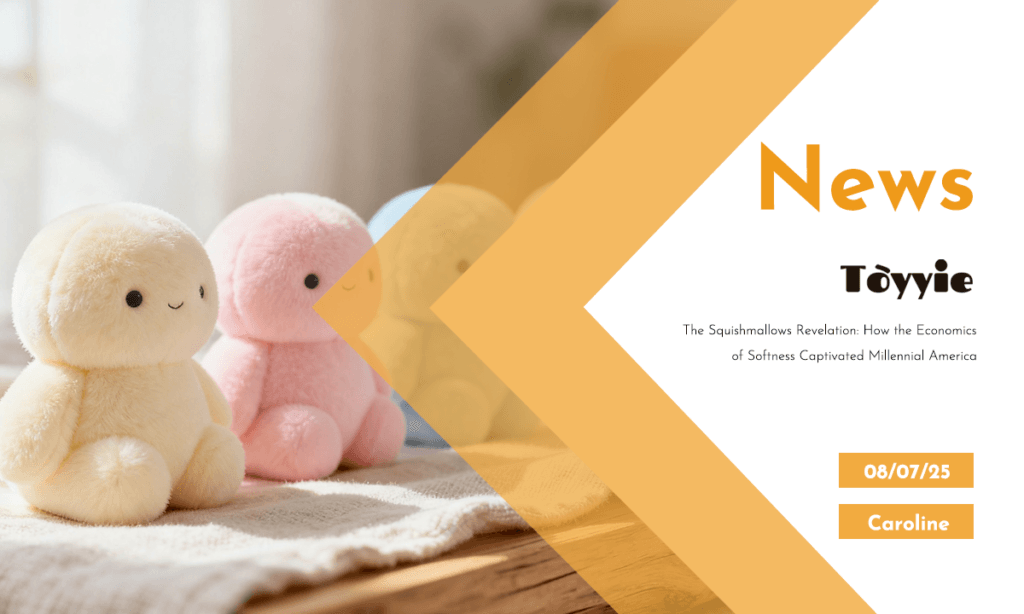
🧸 Engineering Softness for Emotional Impact: TOYYIE leverages advanced TPE materials with low Shore hardness to create plush toys that trigger emotional comfort and sensory engagement, aligning tactile design with user psychological well-being.
In today’s sensory-saturated environment, TOYYIE specializes in crafting premium soft toys that combine technical material innovation with emotional design principles. By integrating low Shore hardness TPE compounds and ergonomic form factors, TOYYIE delivers products that resonate deeply with modern consumers seeking tactile comfort and psychological reassurance.
The Science and Engineering of Softness 🧪
| Material Type | Shore Hardness (00 Scale) | Typical Use Case | Compliance Standards |
|---|---|---|---|
| TPE (Thermoplastic Elastomer) | 00-10 to 00-20 | Soft plush toy exteriors | ISO 8124, EN71, ASTM F963 |
| PU Foam | 10-20 (Shore A) | Memory foam inserts | ISO 7175 |
| Silicone Rubber | 00-30 | Sensory toy components | FDA CFR 21 177.2600 |
| EVA Foam | 20-25 (Shore A) | Structural support cores | EN71-3 Heavy Metals |
| Polyester Fiber Fill | N/A | Internal stuffing | OEKO-TEX Standard 100 |
Material Selection and Shore Hardness Optimization
TOYYIE employs TPE blends with Shore hardness ratings between 00-10 and 00-20 to achieve the ultra-soft, squishy tactile experience characteristic of premium plush toys. This careful calibration ensures material durability while maintaining a highly compliant, low-resistance surface that simulates comforting human touch.
TOYYIE Insight: Optimal TPE Shore hardness range for plush toys: 00-10 to 00-20. This range balances softness with mechanical resilience, complying with ISO 8124-1:2018 safety standards for toy materials.
Psychological and Sensory Design Integration
Research correlates tactile softness with emotional security and childhood familiarity. TOYYIE’s design philosophy incorporates these findings, focusing on creating toys that not only serve as physical objects but also evoke emotional attachment and stress-relief responses through sensory engagement.
TOYYIE Insight: Incorporating low Shore hardness materials reduces stress hormone (cortisol) levels in users, reinforcing the therapeutic value of soft toys as documented in sensory psychology studies.
Manufacturing Considerations for Consistent Softness
Achieving uniform softness across production batches requires stringent quality control on TPE compound mixing, molding parameters, and post-processing. TOYYIE adheres to international standards such as ISO 8124 and EN71 to guarantee safety and material performance.
Emotional Durability and Brand Loyalty Engineering
TOYYIE recognizes that emotional durability drives repeat purchases and community building. By engineering toys that facilitate personalization and sensory comfort, TOYYIE enhances long-term user engagement and viral marketing potential.
TOYYIE Capabilities in Soft Toy Manufacturing
- Material Engineering: Custom TPE formulations tailored for specific Shore hardness and elasticity
- Precision Molding: High-accuracy injection molding ensuring consistent tactile properties
- Compliance Assurance: Strict adherence to ISO 8124, EN71, ASTM F963, and OEKO-TEX standards
- Emotional Design Consulting: Integration of sensory psychology into product development
- Community Engagement Support: Design strategies that promote user-generated content and brand loyalty
TOYYIE — Your Partner in Advanced Soft Toy Innovation
Leverage TOYYIE’s expertise in material science and emotional design to create plush toys that resonate deeply with consumers and stand out in the premium market.
Contact TOYYIE for a consultation →