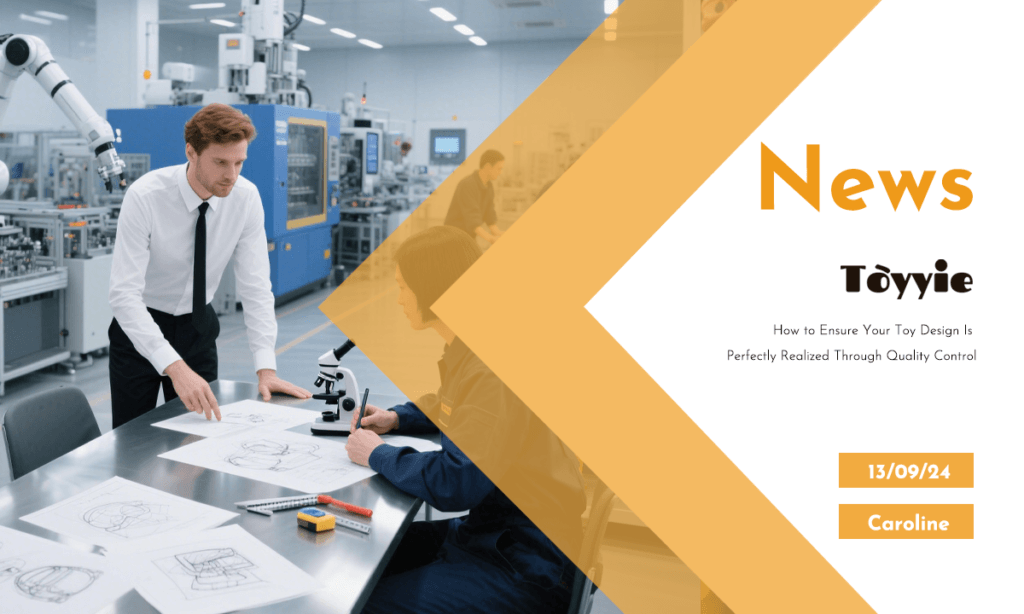
🎯 How to Ensure Your Toy Design Is Perfectly Realized Through Quality Control
The Importance of Setting Clear Expectations 📝
Effective quality control begins with precise communication. As a toy designer, you intimately understand your vision, but it is vital to convey this vision explicitly to your manufacturing partner. Clearly outline the critical design features, non-negotiable material specifications, and the desired tactile experience to ensure alignment from the start.
For example, a recent collaboration involved prioritizing the soft toy’s tactile quality—not only soft but evoking comfort and nostalgia. By emphasizing this early on, we secured a premium fabric that perfectly matched the designer’s intent, avoiding compromises that would weaken the toy’s emotional appeal.
Integrating Quality Control into the Production Process 🔍
Quality control must be embedded at every phase of production, not just at the final stage. Start by verifying that the materials meet your exact specifications and quality expectations. Leading manufacturers implement rigorous sourcing and pre-production testing to guarantee premium inputs.
Regular inspections should assess not only appearance but also functionality and durability. It is essential to confirm that the toy performs as designed and withstands typical play stresses without damage.
For instance, during production of an action figure with complex moving parts, multiple quality checks tested each articulation point. Early identification of potential flaws allowed us to enhance joint durability before mass assembly, preserving design integrity and function.
Handling Design Adjustments Without Compromise ⚖️
Adjustments during production are sometimes unavoidable—whether due to material availability or manufacturing limitations. The key is to adapt without sacrificing essential design qualities or overall quality standards.
Flexibility means collaborating closely with your manufacturer to identify alternatives that uphold your toy’s core functionality and aesthetic.
An example involved selecting a stronger, more durable joint for a doll’s limbs after initial tests showed weakness. This solution retained the intended movement while enhancing robustness, showcasing the power of thoughtful iteration aligned with the original design intent.
The Final Inspection: Ensuring Consistency Across the Board 🧩
The culmination of quality control is a meticulous final inspection focused on consistency and excellence. Each unit must meet the same exacting standards—matching the designer’s color specifications, tactile qualities, and functional performance.
For example, upon detecting subtle color variations in a batch of toys, production was paused. The team identified a supplier error and corrected it before shipment, prioritizing product integrity and consumer trust over cost.
Feedback and Continuous Improvement 📈
Quality control extends beyond production—collecting and analyzing customer feedback is essential for ongoing improvement. Understanding what features customers appreciate and identifying any pain points allows for refinements in future production runs.
For example, feedback about difficult-to-open packaging led to a redesign that improved user experience and satisfaction, demonstrating TOYYIE’s commitment to excellence in every aspect of the toy.
Conclusion: Your Vision, Perfectly Realized 🏆
Quality control is a vital collaboration to realize your creative vision flawlessly. It ensures every toy reflects your intent through detailed communication, careful oversight, and unwavering commitment to high standards.
As a designer, staying engaged throughout production and partnering closely with your manufacturer enables your designs to be produced right—every time.
Embracing this approach safeguards your design’s integrity and builds lasting consumer trust—an invaluable asset in the competitive toy industry.
Ready to Bring Your Vision to Life?
Contact TOYYIE today for expert toy manufacturing support.